The First Animal You Spot In This Visual Reveals Your ‘Worst Flaw’
Our personalities shape how we think, connect, and respond to the world around us. Alongside our strengths, we all carry flaws, subtle habits and emotional patterns that can either protect us or quietly trip us up. These imperfections are not moral failures. They are part of being human. Learning to notice them with curiosity rather than judgment helps us grow, communicate more honestly, and relate to others with greater empathy. When we stop pretending we are flawless, we gain room to become more self aware.
If you have ever wondered what your so called worst flaw might be, this playful visual test offers a lighthearted way to explore that question. It is not grounded in clinical psychology and it is not meant to diagnose anything. Instead, it functions as a creative mirror. Many people enjoy these types of illusions because they bypass overthinking and invite instinct to take the lead.
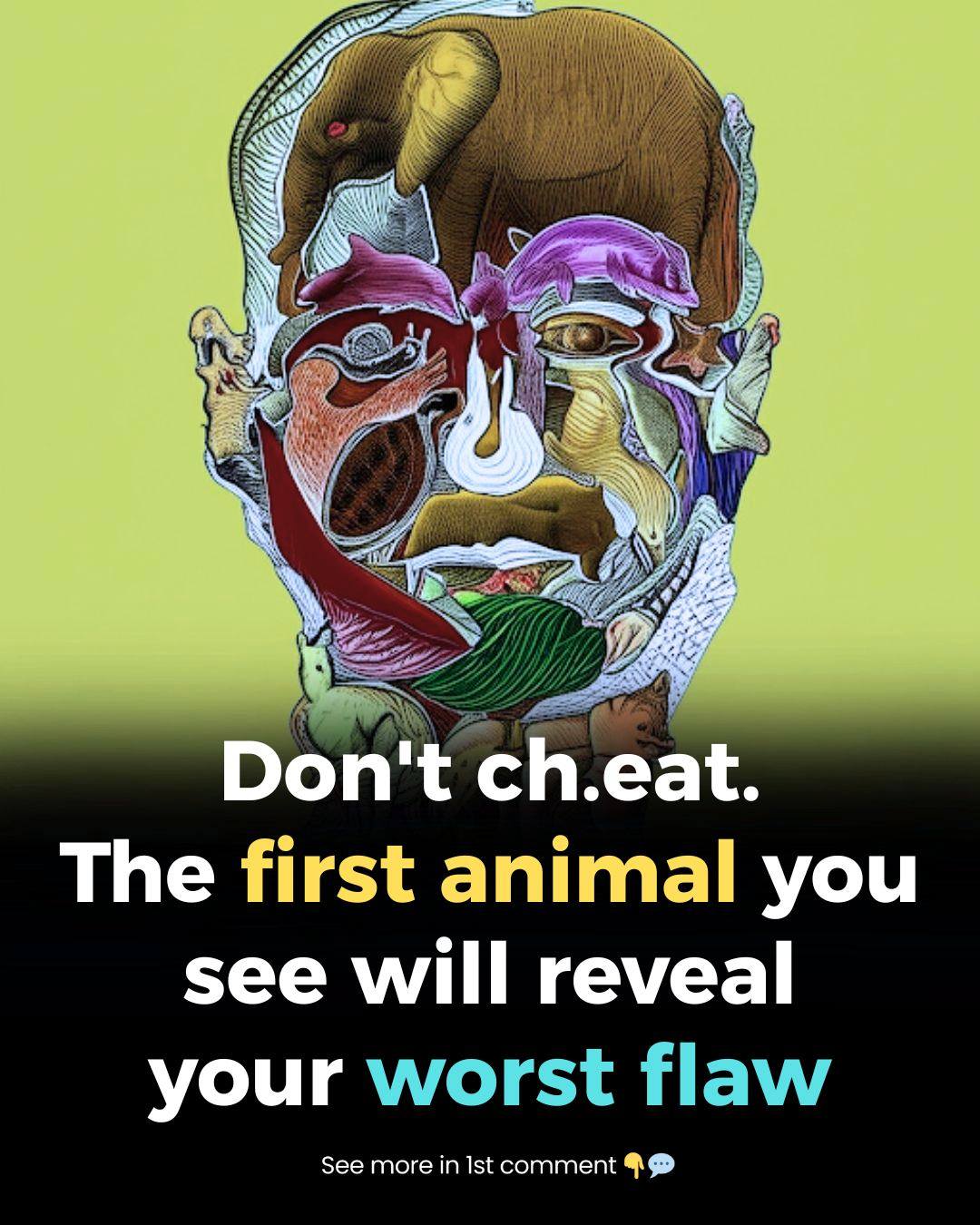
At first glance, the illustration appears to be a single human face.
On closer inspection, however, the face is actually made up of many overlapping animals. Each animal is meant to symbolize a different personal weakness. The goal is simple. You glance at the image briefly and notice which animal your eye is drawn to first. The idea is that your initial perception offers a hint at a trait you may struggle with more than you realize.
Each animal carries its own symbolic meaning. The elephant reflects stubbornness and an unwillingness to bend even when flexibility would help. The iguana represents emotional distance and a tendency to detach instead of opening up. The pig suggests indulgence and difficulty with moderation. The cricket points to anxiety and restless mental energy. The horse symbolizes pride and the drive to push forward even when it isolates you from others. The dolphin is tied to impulsiveness and acting before fully thinking things through. The bear reflects rigidity and discomfort with change.
Other animals broaden the emotional map even further. The fox suggests avoidance and sidestepping difficult conversations. The rabbit is linked to insecurity and fear of taking up space. The toucan reflects attention seeking and the desire to be noticed at all costs. The kangaroo represents inconsistency and jumping from one direction to another without grounding. The peacock symbolizes vanity and preoccupation with appearance. The turtle is tied to excessive caution, while the whale reflects emotional isolation and the feeling of being unseen in deep internal waters.
There are also more subtle symbols layered into the image. The snake often reflects manipulation or indirect communication. The sloth bear points to procrastination and avoidance of responsibility. The bird suggests instability or scattered focus. The snail represents resistance to change and a strong attachment to familiar routines, even when those routines no longer serve you well.
What makes this visual test fun is its simplicity. Your eye tends to land on the shape that resonates with you on a subconscious level. Whether or not the interpretation fits perfectly, many people enjoy using the result as a starting point for reflection rather than a final verdict. Sometimes the meaning feels uncomfortably accurate. Other times it simply sparks a useful question about behavior, habits, or emotional patterns.
It is also worth remembering that a single trait never defines a person. Flaws shift with context, stress, and life stage. The same stubbornness that creates conflict can also fuel resilience. The same sensitivity that fuels anxiety can deepen compassion. These traits are rarely purely negative. They carry energy that can be shaped.
So after your quick glance, ask yourself which animal you noticed first. Then ask a deeper question. Does its meaning feel familiar in your life. Does it show up in relationships, work, or self talk. Even if the answer is only partly yes, the exercise has already done its job. It has nudged your attention inward. And sometimes, that small shift in awareness is the first step toward real change.