Ignored Warning Signs: A Father’s Struggle with Esophageal Illness and the Lesson Seniors Can’t Afford to Miss
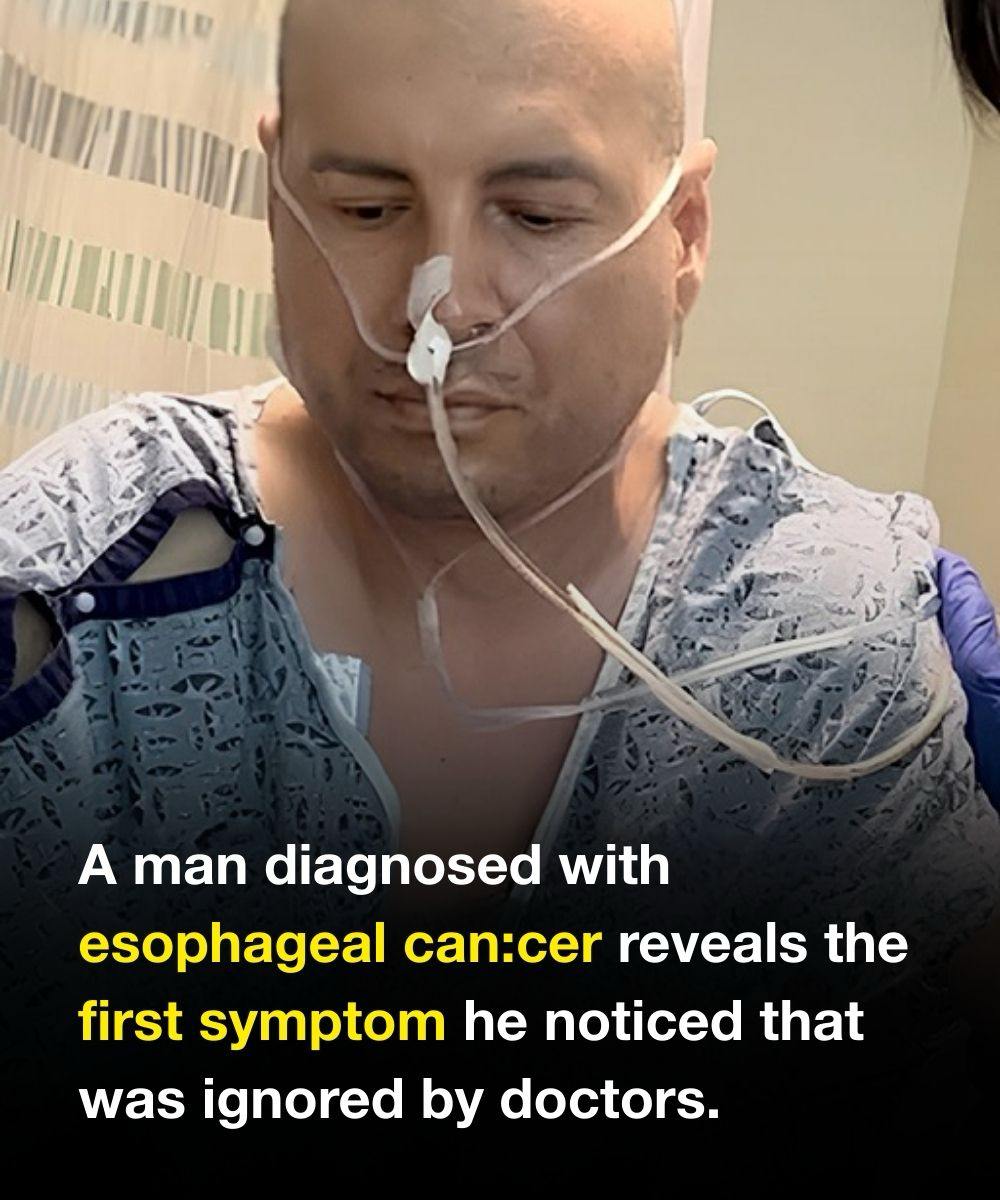
What if you worked hard to turn your health around, only to discover something serious was quietly developing inside your body? That’s what happened to 41-year-old California father Mark Sevillano Jr. His story is a powerful reminder—especially for seniors—that even small, nagging symptoms deserve attention and follow-up.
Mark believed he was finally on the right track. He was exercising regularly, eating better, and building a calmer, more intentional life. But underneath those healthy habits, his body was sending early signals that something was wrong. What began as mild indigestion soon revealed a much deeper problem—one that would test his strength, faith, and trust in the healthcare system.
Rebuilding Life After a Difficult Chapter
The years before 2024 were heavy for Mark. A painful divorce left him emotionally and financially drained. At the same time, he juggled going back to school and raising two children on his own. The pressure was intense, but he pushed through, eventually earning his degree.
With that achievement behind him, he promised himself a fresh beginning. He started going to the gym three times a week, cooking more balanced meals, and practicing mindfulness to manage stress. Friends noticed how much brighter and lighter he seemed. For the first time in a long while, life felt hopeful.
But as his outer life improved, a hidden health battle was quietly unfolding.
The First Small Symptom
The earliest warning sign seemed harmless. Certain foods began to feel like they were sticking in his throat. Mark assumed it was ordinary acid reflux or irritation. A few sips of water usually helped, so he brushed it off and kept going.
Over time, though, swallowing became more difficult. Even soft foods felt like a struggle. Mealtimes started to feel stressful instead of comforting. He began to lose weight—not because of his healthier lifestyle, but because eating had become uncomfortable and worrying.
For older adults, this part of his story is especially important. Many seniors notice changes in swallowing or digestion and assume it’s “just age.” But, as Mark’s experience shows, subtle symptoms sometimes point to something more serious.
When Doctors Miss the Signs
Eventually, Mark decided to talk to his doctor. On paper, he looked like a low-risk patient—relatively young, active, and newly committed to healthy living. His concerns were dismissed as likely reflux. A swallowing test was ordered, but there was no urgency.
This is a situation many people will recognize: symptoms minimized, tests delayed, and concerns pushed aside because they don’t match the usual profile. For seniors, this can be particularly dangerous. A small symptom ignored today can become a crisis tomorrow.
As his pain worsened and swallowing became nearly impossible, Mark listened to his instincts. He went to the emergency room—an action that would ultimately save his life.
The Diagnosis No One Wants
At the hospital, scans revealed a mass in his esophagus. Soon after, Mark heard the words he had never expected: esophageal cancer.
The weight loss he’d been proud of was not just the result of working out and eating better—it was also a sign that his body was under attack.
Many older adults know this reality all too well: the body often “whispers” before it “shouts.” Ignoring those whispers—or having them dismissed—gives serious illness more time to grow.
A Life-Saving Operation
By October, surgery was unavoidable. The procedure was long and complex. Surgeons removed nearly 15 centimeters of his esophagus along with a tumor about the size of a strawberry. They then reconstructed a new passage using part of his intestine, giving him a chance at survival.
Recovery was painful and slow, but Mark stayed focused on what mattered most: being there for his children.
For seniors, his experience underlines how critical it is to have access to skilled medical teams, well-equipped hospitals, and reliable health coverage when emergencies arise.
The Difficult Road to Recovery
Surgery was only the beginning. Chemotherapy followed, bringing fatigue, side effects, and major changes to his day-to-day life. Each treatment took a physical and emotional toll, but he stayed committed to the process.
The financial side of his journey was just as sobering. Cancer care in the United States can be extremely expensive. For older adults living on fixed incomes, this reality highlights the importance of planning ahead—understanding health insurance options, Medicare coverage, supplemental plans, and critical illness policies before a crisis hits.
Despite everything, Mark pushed through months of treatments, follow-up appointments, and scans, holding on to hope.
A Message of Hope—and a Warning
Today, Mark is in remission. His doctors will monitor him closely for at least five years, but he faces the future with gratitude and a new perspective on health.
His message is straightforward:
-
Don’t ignore what your body is trying to tell you.
-
Don’t stop asking questions if something doesn’t feel right.
-
Don’t let a quick dismissal from a doctor silence your concerns.
For seniors, this rings especially true. It’s easy to blame every ache, pain, or change on “getting older.” But sometimes, those small annoyances are early signs of something serious that still can be treated—if caught in time.
Key Lessons for Older Adults
Mark’s story speaks to people of all ages, but it carries special lessons for seniors:
-
Pay attention to subtle changes.
Difficulty swallowing, unexplained weight loss, ongoing fatigue, or new digestive issues deserve attention, not excuses. -
Don’t hesitate to seek another opinion.
If one provider downplays your symptoms, seeing a different doctor can bring a fresh perspective—and sometimes, a life-saving diagnosis. -
Know your coverage before you need it.
Understanding what your insurance, Medicare, or private plans actually cover can reduce stress when serious illness strikes. -
Value preventive care.
Regular checkups, recommended screenings, and open communication with healthcare providers help catch problems earlier.
A Story That Could Save Lives
Mark’s journey began with a small, easily dismissed symptom and led to a major diagnosis—and, thankfully, a second chance at life.
For seniors, his experience is a gentle but firm reminder:
-
Trust your body’s signals.
-
Advocate for yourself in medical settings.
-
Take your health seriously, even when others don’t.
Life is precious at every age. Protecting it starts with listening to your body, speaking up when something feels off, and ensuring you have the medical and financial support you need. For Mark, that awareness means more time with his children. For you, it could mean many more years of independence, connection, and joy.