5-Year-Old Girl Passes Away Following Tonsil Surgery

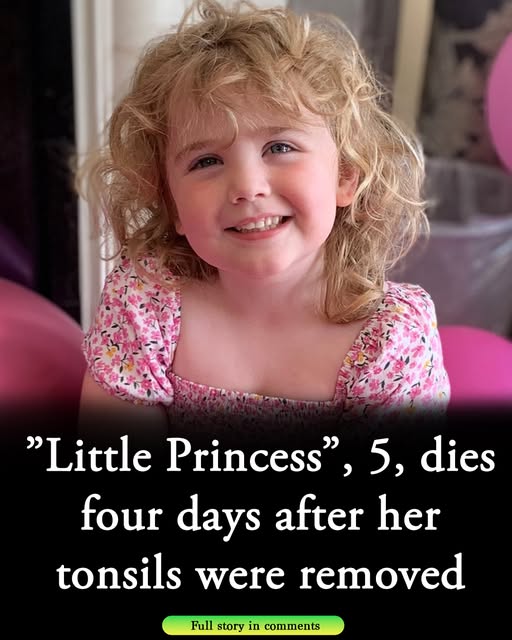
Amber Milnes, a vibrant five-year-old from St Just in Roseland, Cornwall, was a child full of life, laughter, and boundless imagination. Her parents, Sereta and Lewis Milnes, called her their “magical little princess,” a little girl whose energy and curiosity could brighten any room. She loved music, dancing, and playing with her dolls, and those who knew her often marveled at her caring and joyful nature.

But Amber’s life was complicated by serious medical challenges. She suffered from obstructive sleep apnea, which affected her breathing at night, and a rare condition called Cyclical Vomiting Syndrome (CVS), which caused sudden, severe bouts of vomiting since she was two years old. Her parents became experts in managing these episodes, advocating tirelessly for their daughter’s care.

A Routine Surgery With High Hopes

Doctors at Royal Cornwall Hospitals NHS Trust recommended an adenotonsillectomy—a surgical removal of tonsils and adenoids—to improve Amber’s sleep apnea. The procedure is typically routine and low-risk, and her parents hoped it would drastically improve her quality of life.

On 5 April 2023, Amber underwent the surgery. Given her medical history and risk of dehydration from CVS, Sereta and Lewis expected she would remain under hospital observation overnight. They made their concerns clear to the medical team.

Shockingly, Amber was discharged the same evening, around 9 p.m., despite warnings and her rare condition. Her parents, uneasy but trusting the hospital’s judgment, took her home.

A Rapid Decline

By the next morning, Amber experienced intense vomiting. Her parents contacted the hospital but were advised to “wait and see.” By evening, after vomiting nearly 20 times, they returned to the hospital. Amber was readmitted, receiving IV fluids and anti-nausea medication, and doctors noted a chest infection complicating her recovery.

However, on 8 April, her IV line failed. For around 14 hours, Amber went without fluids, antibiotics, pain relief, or anti-nausea medication—critical for a child who could not tolerate oral medication due to CVS.

The Heartbreaking Outcome

In the early hours of 9 April 2023, Amber suffered a catastrophic hemorrhage and, despite emergency care, was pronounced dead at 4:37 a.m. The sudden loss devastated her family and community, as deaths after pediatric adenotonsillectomy are extremely rare.

Inquest Findings

A full inquest in November 2025 at Cornwall Coroner’s Court confirmed that Amber died from a “known but very rare complication”—a catastrophic hemorrhage caused by a post-operative infection at the surgical site. The surgery itself had been uneventful, lasting just 38 minutes, and no errors during the operation were found.
Experts noted that while nothing guaranteed a different outcome, closer preoperative discussions among pediatric specialists and more cautious post-operative monitoring could have influenced decisions, given Amber’s complex health conditions.

A Family’s Message

Throughout the inquest, Amber’s parents emphasized the heartbreak of losing a child and the importance of parental advocacy. They urge other families to trust their instincts, ask questions, and ensure that medical teams understand every aspect of a child’s health, even for routine procedures.

Hospital Response

Royal Cornwall Hospitals NHS Trust issued condolences and confirmed a full review of Amber’s care. New guidelines have been introduced for children undergoing adenotonsillectomy, especially those with complex conditions, to prevent similar tragedies.

Why Amber’s Story Matters

Amber’s passing is a stark reminder that no surgery is entirely risk-free, especially for children with rare or underlying health issues. Her story underscores the need for:

  • Thorough preoperative evaluation of complex conditions
  • Clear, proactive communication between parents and healthcare teams
  • Careful post-operative monitoring for high-risk children
  • Active advocacy by parents to protect their child’s safety

Amber’s bright life was tragically cut short, but her story serves as a critical lesson for families and healthcare providers alike: vigilance, questions, and clear communication can save lives.

Parents, caregivers, and medical professionals—share your thoughts below. Have you ever had to advocate for a child’s care? Your experiences could help others stay vigilant and protect the most vulnerable.

Similar Posts