Update on Bondi Hero Who Confronted an Attacker as Lawyer Raises Questions About Injuries
Ahmed Al-Ahmed became a national hero in a matter of seconds. Now, away from the headlines and viral footage, he is fighting a much quieter and far more painful battle.
The Sydney shop owner, praised worldwide for stopping an armed attacker during the Bondi Beach shooting, remains hospitalized as the true cost of his courage comes into focus. While early reports focused on his bravery, new details reveal a far harsher reality: multiple surgeries, severe nerve damage, and ongoing pain that could change his life forever.
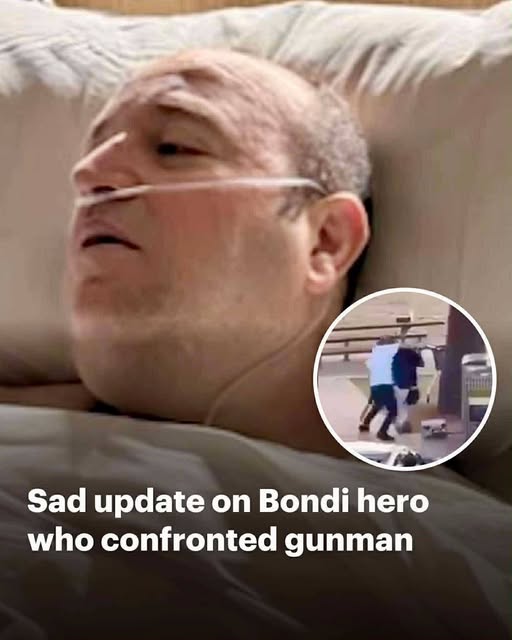
The 43-year-old father of two is still being treated at St George Hospital, where doctors are managing injuries sustained when he stepped in to confront the gunman. According to his former migration lawyer, Sam Issa, Al-Ahmed was hit multiple times, suffering wounds far more serious than initially understood. He has already undergone several operations and has little to no feeling in one arm, raising concerns about permanent nerve damage.
“These were not minor injuries,” Issa explained. “The severity was understated early on.” With five gunshot wounds and complications still unfolding, doctors are taking a careful, long-term approach. While Al-Ahmed has remained mentally strong, the physical toll is undeniable, and the pain has begun to wear on him.
What made Al-Ahmed’s actions so powerful was how instinctive they were. Video footage shows him approaching the attacker from behind, grabbing the rifle, and forcing it away in a calm but decisive motion. Rather than using the weapon, he secured it safely, removing the threat entirely. Security experts later said his intervention likely prevented far greater loss of life.
He acted without training, authority, or protection—just instinct. And he did so knowing another armed individual was nearby. Despite being injured during the confrontation, Al-Ahmed stayed on his feet long enough to make sure the weapon was no longer a danger. The image of him standing wounded but composed has since become one of the defining moments of the attack.
As the scale of his injuries became clearer, public support surged. A crowdfunding campaign launched in his name has raised more than $1.2 million, fueled by donations from around the world. Momentum grew after a major contribution from U.S. billionaire Bill Ackman brought international attention to Al-Ahmed’s recovery. The response reflected a shared recognition of the price he paid for stepping forward.
Despite everything, those close to him say Al-Ahmed has expressed no regret. He has reportedly said he would do the same thing again—a statement that has only deepened public admiration, while also highlighting the personal cost carried by everyday people who act in extraordinary moments.
New South Wales Premier Chris Minns visited him in hospital, publicly praising his courage and selflessness. Images from the visit quickly spread online, cementing Al-Ahmed’s place as a symbol of resilience and community spirit.
For his family, the uncertainty is heavy. As a business owner and father of two young children, questions remain about his ability to work and return to normal life. Friends say the sudden spotlight, combined with serious injuries, has added stress during a time when rest and privacy are essential.
As Australia continues to process the tragedy, Al-Ahmed’s recovery has become a powerful reminder that heroism doesn’t end when danger passes. It continues in hospital rooms, operating theaters, and long rehabilitation days—out of sight, but no less real.
Ahmed Al-Ahmed will be remembered as the man who acted when others couldn’t. But his story is also a reminder that courage often comes with a lasting cost—one paid long after the moment that made him a hero.
What are your thoughts on everyday people stepping into danger to protect others? Share your perspective below and join the conversation.