Sudden confusion or difficulty speaking: when it’s more than just fatigue
According to the Stroke Association, recognizing the early signs of a stroke can save lives. One of the most helpful tools for early detection is the FAST test, which highlights the key symptoms to look for. First, check the face. If one side droops when a person smiles, this can signal trouble. Next, check the arms. Ask the person to raise both arms and hold them in place. If one arm drifts downward or will not lift, that is a serious warning. Speech is the third point to observe. Slurred words, trouble speaking, or difficulty understanding simple sentences all raise concern. Finally, act immediately. Time is critical, so call 999 if any of these signs appear, even if they seem minor or fade away.
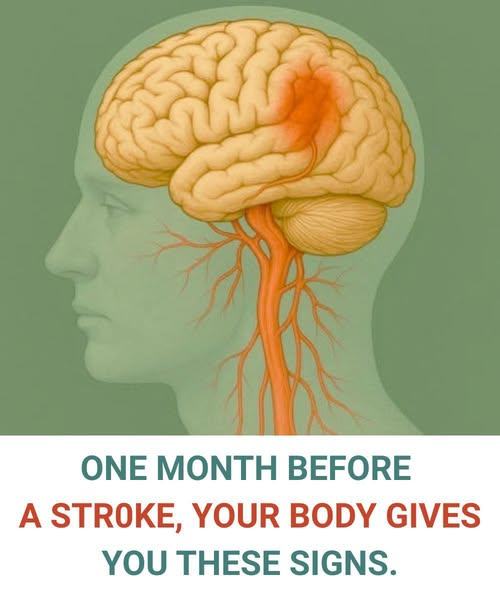
Although strokes often strike without warning, research suggests that some early clues may appear. A study published in 2020 in The Journal of Headache and Pain found that about fifteen percent of participants who suffered an ischemic stroke reported a sentinel headache during the week before the event. These headaches can be subtle, yet they may reflect changes in blood flow within the brain. Paying attention to unusual or persistent head pain, especially in people with known risk factors, may offer a valuable opportunity to seek medical advice before a stroke occurs.
Another important warning sign involves Transient Ischemic Attacks, often called mini strokes. A TIA happens when blood flow to the brain becomes temporarily blocked. Symptoms resemble those of a full stroke, yet they may last only a few minutes or a few hours. Even when symptoms disappear, a TIA is never harmless. Roughly one third of people who experience a TIA later suffer a more serious stroke. Because of this, immediate medical evaluation is essential.
Recent findings published in JAMA Network show that the rate of acute stroke within ninety days of a TIA has declined. This encouraging trend suggests that rapid medical intervention, combined with improved treatment and monitoring, can lower the chance of a major event. The evidence underscores a clear message. Recognizing symptoms early and seeking care without delay can change outcomes dramatically.
In addition to the FAST test and TIAs, other warning signs deserve attention. Sudden numbness or weakness in the face, arms, or legs, especially on one side of the body, may signal a stroke. Confusion, trouble speaking, or difficulty understanding others can appear quickly and without obvious cause. Changes in vision, such as sudden loss or blurriness, should be treated seriously. Walking may become hard to control, and dizziness or loss of balance can appear with no warning. Any of these symptoms call for urgent action.
Recognizing these signs and responding quickly can minimize long term damage. Calling emergency services right away gives doctors the best chance to restore blood flow, protect brain tissue, and improve recovery. Every moment matters.
Awareness of personal risk factors also plays a vital role. High blood pressure, diabetes, smoking, high cholesterol, heart disease, and a sedentary lifestyle all increase stroke risk. Regular checkups, healthy eating, physical activity, and managing chronic conditions greatly reduce the likelihood of an emergency.
Ultimately, understanding stroke symptoms, TIAs, and risk factors empowers people to act confidently and without hesitation. Quick action not only saves lives, it also improves the chance of a full recovery. When it comes to stroke care, every second truly counts.