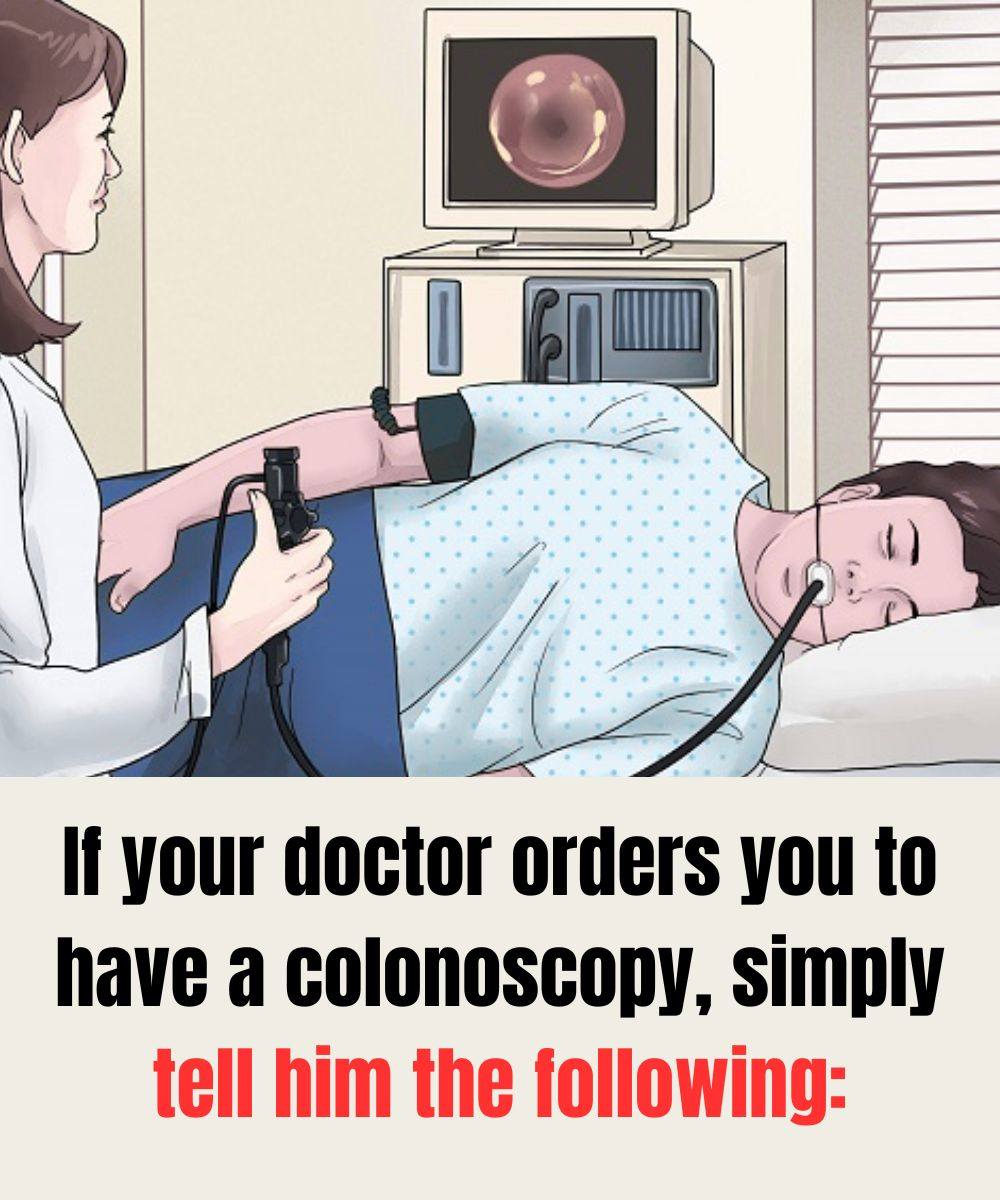
Colonoscopy: The key question you should ask your doctor before the procedure
The word colonoscopy often triggers anxiety the moment people hear it. Many associate the test with embarrassment, discomfort, or the fear of receiving bad news. These feelings are common and understandable, yet the reality of the procedure is far less intimidating than its reputation suggests. Much of the fear comes from the unknown rather than from the experience itself.
Doctors do not recommend colonoscopies casually. They are one of the most effective medical tools for detecting problems in the colon and rectum before symptoms ever appear. This includes identifying polyps, inflammation, internal bleeding, and colorectal cancer in its earliest and most treatable stages. Because colorectal cancer often develops silently over many years, screening plays a critical role in saving lives.
The procedure itself is usually brief and done under sedation. Most patients are given medication that makes them very relaxed and often sleepy. Many remember little or nothing afterward. There is no sharp pain, no prolonged discomfort, and no emotional ordeal the way many imagine. For the majority of people, the exam is finished before they even realize it has begun.
What most patients find challenging is the preparation the day before. This involves cleaning out the colon so the doctor can clearly see the lining during the exam. While the prep can be inconvenient and unpleasant, it is temporary and manageable. The actual procedure is far easier than the buildup of worry that precedes it.
Understanding why a colonoscopy is being recommended can ease much of the fear. It is not automatically a sign that something is wrong. In most cases, it is a preventive step meant to protect long term health. Doctors recommend routine screening for adults beginning around midlife or earlier for those with risk factors such as family history, certain medical conditions, or persistent digestive symptoms.
One of the most powerful benefits of colonoscopy is its ability to prevent cancer altogether. During the exam, doctors can remove precancerous growths called polyps before they ever have a chance to become dangerous. This makes colonoscopy unique among cancer screening tools. It does not just detect disease. It can actually stop it from developing.
Avoiding or delaying the test out of fear can allow silent problems to grow unnoticed for years. By the time symptoms appear, treatment may be far more complicated. Early detection almost always leads to simpler treatment, fewer complications, and far better outcomes. Many people who have been diagnosed early later say the colonoscopy that once scared them ended up saving their life.
Doctors increasingly encourage patients to view a colonoscopy not as something to dread, but as an act of self care. It is a way to take control of your health rather than waiting for illness to force action. The peace of mind that comes afterward is often one of the most meaningful benefits. Many patients say that once it is over, they wonder why they were ever so afraid.
Asking questions, understanding the process, and knowing what to expect can replace fear with confidence. Medical teams are trained to make the experience as comfortable and respectful as possible. There is no judgment and no embarrassment, only professional care focused on your wellbeing.
A colonoscopy is not about discomfort. It is about protection. It is about giving yourself the best chance at a healthier future and more years of life lived on your own terms. When seen through that lens, the test becomes less of an obstacle and more of a powerful gift you give yourself.