
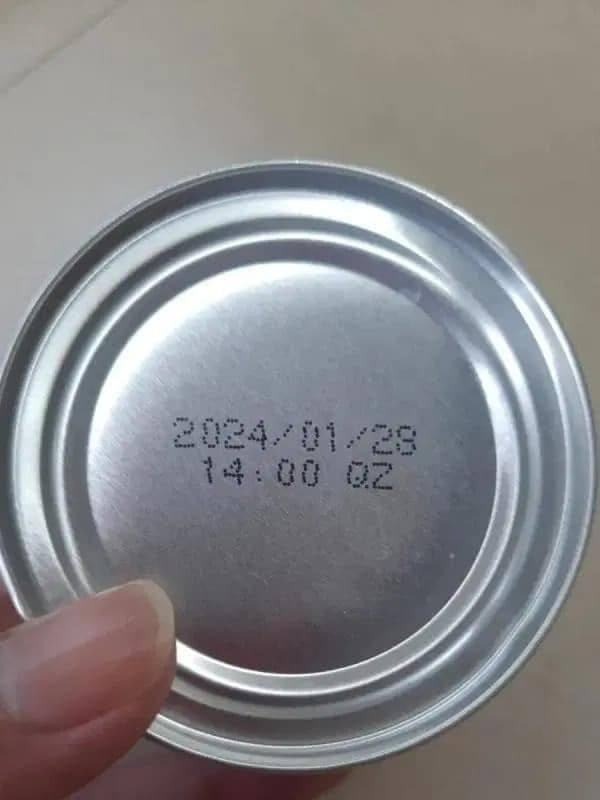
📅 Here’s What You Need to Know About Food Expiration Dates — Stop Throwing Out Good Food!
 The Truth About Expiration Labels: They’re Not All the Same
Most people think “expired = unsafe.”
But that’s a myth.
In reality, only infant formula is federally required to have a true expiration date.
Everything else?
It’s mostly about peak quality, not safety.
Here’s what each label actually means:
Label
What It Really Means
What You Should Do
 “Best By” or “Best Before”
Manufacturer’s guess at peak flavor, texture, and freshness
Still safe to eat after this date—just may taste slightly stale or dull (e.g., chips, cereal, canned goods)
 “Use By”
Last date for optimal quality and safety—common on perishables like meat, dairy, yogurt
Use caution. Best to follow this date, especially for raw meats and seafood. But still check smell, color, texture before tossing
 “Sell By”
For store inventory only—tells retailers when to remove from shelves
 Safe to eat for days (or weeks) after this date if stored properly (e.g., milk often good 5–7 days past “Sell By”)
 “Expires On”
Rare. Used for items where potency/safety declines over time (infant formula, medications, some supplements)
Follow strictly. Don’t consume after this date
 Key Insight: There is no federal standard for most expiration dates in the U.S.—manufacturers set them however they want.
 How Long Can You Actually Keep Common Foods?
Don’t throw it out—check this guide first:
Food
How Long After Date?
Signs It’s Gone Bad
Canned Goods (soup, beans, veggies)
1–5 years past “Best By”
Rust, bulging lid, foul smell when opened
Dry Pasta & Rice
1–2 years past
Bugs, musty smell, dampness
Breakfast Cereal
6–12 months past
Stale taste, soft texture
Eggs
3–5 weeks past “Sell By”
Float test: Fresh eggs sink; bad ones float
Milk
5–7 days past “Sell By”
Sour smell, curdling
Yogurt
1–2 weeks past “Use By”
Mold, separation, off smell
Cheese (hard) (cheddar, Parmesan)
Months past (if mold-free)
Cut off small mold spots; rest is safe
Bread
5–7 days past (freeze if longer)
Mold = toss entire loaf
Frozen Foods
Indefinitely (quality drops after 6–12 months)
Freezer burn = dry, but still safe
 Pro tip: When in doubt, sniff it, look at it, then taste a tiny bit. Your senses are better than any label.
 Why Most Food Doesn’t Suddenly Spoil on the “Expiration Date”
Food spoils due to:
Bacteria growth
Moisture loss
Oxidation
Temperature exposure
But these factors depend on how food is stored—not just the calendar.
A can of beans stored in a cool, dry pantry will last years.
The same can left in a hot garage? Might spoil much sooner.
 The printed date doesn’t account for your storage conditions.
 How to Extend Shelf Life & Reduce Waste
Tip
Why It Works
Store dry goods in airtight containers
Keeps out moisture, bugs, and air
Freeze bread, meat, and leftovers
Stops bacteria; preserves quality
Keep fridge at or below 40°F (4°C)
Slows bacterial growth
Rotate stock —use older items first
Prevents forgotten back-of-fridge disasters
Label frozen items with date & contents
Avoids mystery meals
 The Big Picture: Food Waste Hurts More Than Your Wallet
Every year, 40% of food in the U.S. goes uneaten—that’s $161 billion lost and a major source of greenhouse gases.
By understanding expiration dates, you’re not just saving money…
You’re helping the planet.
 Final Thought: Great Wisdom Starts With One Question
You don’t need to fear every printed date.
Sometimes, all it takes is:
A quick sniff
A moment of curiosity
And the courage to say: “Is this really bad—or just misunderstood?”
Because real health isn’t about rigid rules.
It’s about using your judgment, trusting your senses, and wasting less.
And when you eat that “expired” can of soup and realize it tastes perfect…
You’ll know:
You didn’t just save dinner.
You saved something bigger.
