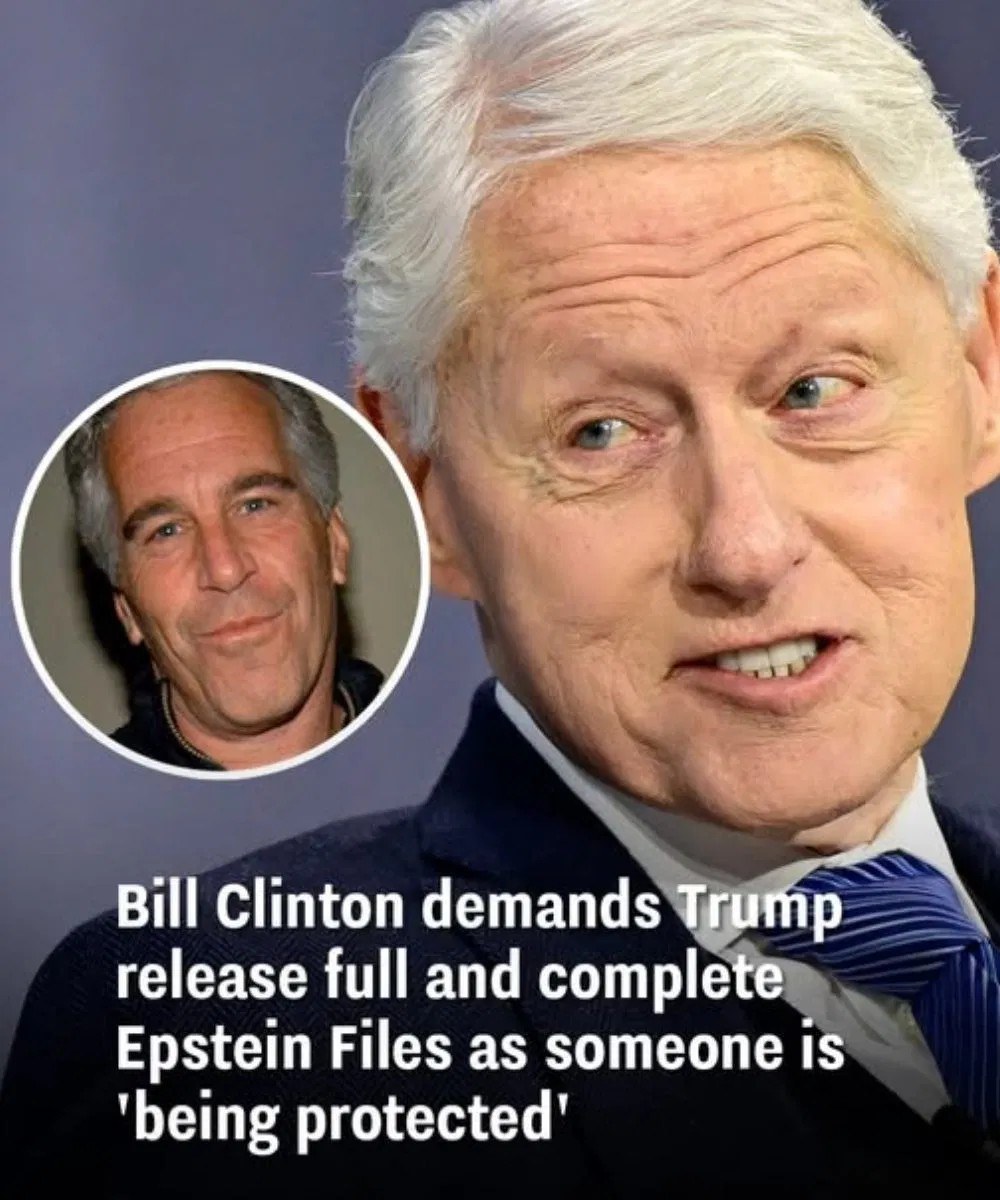
Clinton Requests Full Release of Epstein Documents, Mentions Someone ‘Under Protection’
A spokesperson for former President Bill Clinton is calling for the complete, unredacted release of all federal records related to convicted sex offender Jeffrey Epstein, citing concerns over transparency, selective disclosure, and the potential shielding of unidentified individuals.
The demand follows the DOJ’s recent release of nearly 300,000 documents connected to Epstein, which included references to numerous high-profile figures. Clinton’s representative, Angel Ureña, criticized the heavily redacted files, arguing that the selective disclosure process raises questions about fairness and public trust.

Partial Releases and Public Perception
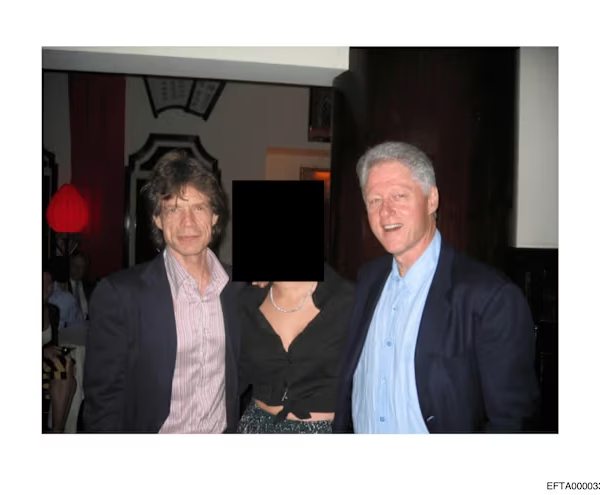
Among the released documents are photographs showing Clinton alongside Epstein and Ghislaine Maxwell. While Clinton has never faced accusations of wrongdoing in connection with Epstein, Ureña points out that the timing and selective emphasis of these images could create misleading impressions.
“The files themselves do not prove wrongdoing,” Ureña stated, “yet the way they were disclosed can distort public perception.” He emphasized that partial releases risk unfairly implying misconduct by individuals repeatedly cleared in multiple DOJ investigations under both Republican and Democratic administrations.
The Epstein Files Transparency Act
The release was conducted under the Epstein Files Transparency Act, enacted in early 2025 to ensure federal records related to Epstein are made public. The law requires agencies to release communications, photos, deposition transcripts, and other materials unless disclosure would compromise active investigations or third-party privacy.
Despite this mandate, Ureña asserts the DOJ’s approach fell short. Entire pages remain redacted, and additional materials appear withheld, raising concerns that selective disclosure could be protecting unidentified individuals while unfairly spotlighting Clinton.
Calls for Complete Transparency
Clinton’s team urges that Attorney General Pam Bondi, under President Trump’s administration at the time, ensure all remaining materials are released, unedited. Ureña insists that full transparency is essential to:
- Restore clarity and public understanding.
- Protect the reputation of those cleared of wrongdoing.
- Ensure accountability and compliance with federal transparency laws.
The spokesperson underscored that Clinton is not seeking special protection; the goal is fairness and the prevention of misinformation. By releasing the full, unredacted records, the public can see the complete context rather than isolated fragments that might suggest guilt where there is none.

Why It Matters
The Epstein case remains one of the most high-profile investigations involving elite figures worldwide. Partial disclosures risk shaping public opinion with incomplete information, fueling speculation and conspiracy theories. Clinton’s team argues that only comprehensive transparency can maintain trust in federal institutions and ensure justice is visible, credible, and impartial.
Stay informed on high-profile investigations and transparency issues—share this article to help others understand why full disclosure matters.