LED Headlights: Bright Enough to Be a Problem?
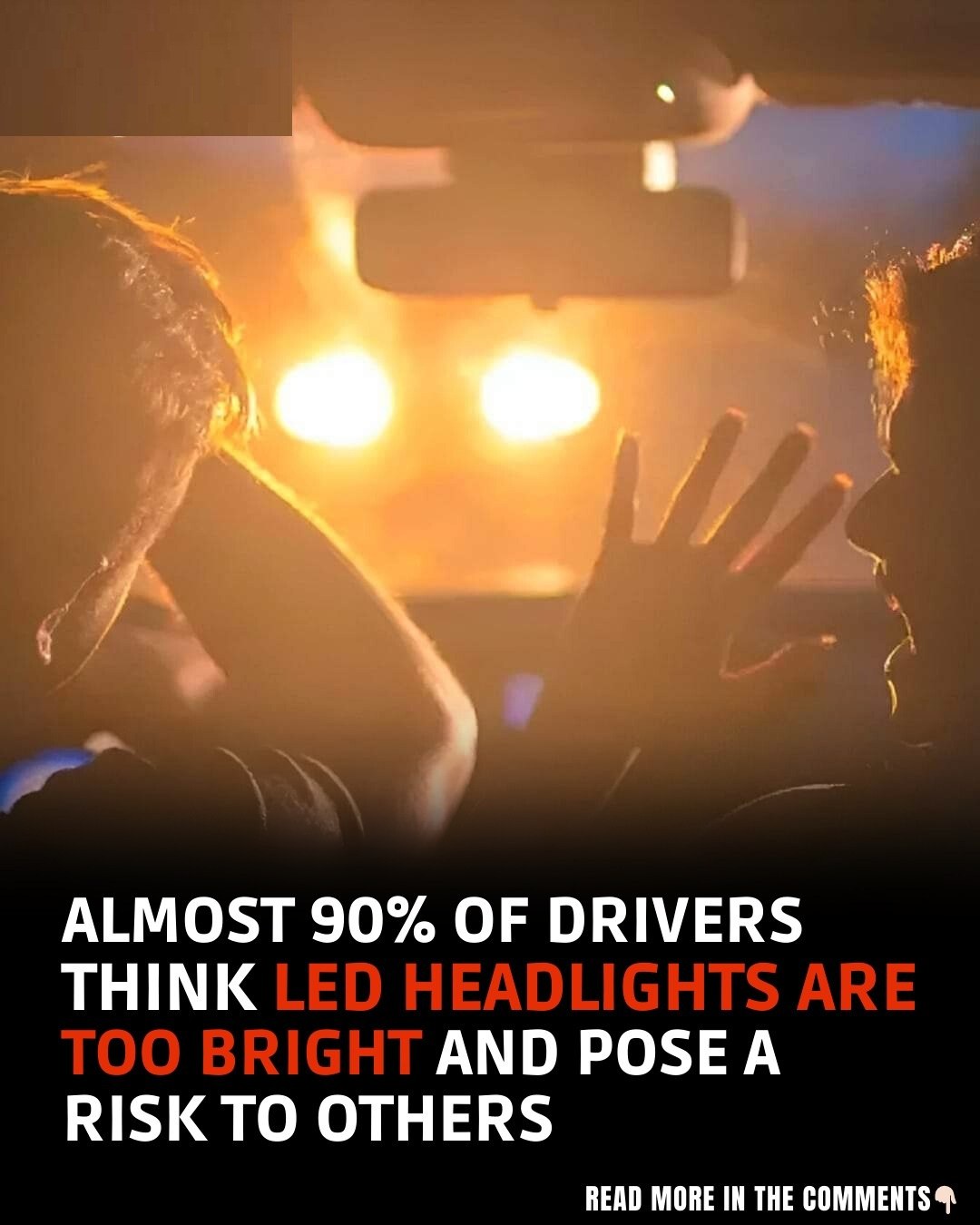
The glare hits before you can even register the make of the car. For a split second, your retinas are overwhelmed, your heart rate spikes into a fight-or-flight rhythm, and you are suddenly navigating a ton of steel at highway speeds while functionally blind. This is not a freak occurrence or a rare mechanical failure; it has become a near-universal grievance of the modern driving experience. Modern headlights—specifically those utilizing Light Emitting Diode (LED) and High-Intensity Discharge (HID) technology—are no longer merely “bright.” In the current automotive landscape, they have become an active road hazard. Reports from drivers globally reveal a disturbing pattern: this disorienting burst of light is leaving motorists swerving, braking instinctively, or averting their eyes from the road during the most critical seconds of travel.
The Innovation Paradox
The introduction of LED headlights was originally framed as a triumph of safety and efficiency. They offered a whiter light that closely mimicked natural daylight, consumed far less energy, and boasted a lifespan that outlasted the vehicles they were installed in. For the driver behind the wheel, the improvement was undeniable—a clearer, sharper view of the world ahead.
However, the very physics that make LEDs efficient also make them dangerous to others. Unlike traditional halogen bulbs, which emit a warmer, diffuse glow, LEDs produce a high-density, concentrated beam. While this increases the “throw” of the light for the operator, it creates debilitating glare for oncoming traffic. The crisis is amplified by the sheer topography of modern roads; with the global shift toward SUVs, trucks, and crossovers, headlights are now mounted significantly higher, placing these intense beams directly in the line of sight of drivers in smaller, lower-profile vehicles.
A misalignment of just a few degrees—common after minor fender-benders or even long-term vibration—can transform an LED lamp into a tactical strobe. On winding or undulating roads, even a perfectly aligned light becomes a weapon as vertical shifts in terrain redirect the concentrated beam into the eyes of oncoming motorists.
The Physics of Flash Blindness
The danger here is not a matter of “over-sensitive” drivers; it is a matter of basic human physiology. When the eye is hit with a high-intensity light source at night, it experiences “flash blindness”—a temporary loss of vision as the retina’s light-sensitive pigments are saturated.
At a standard highway speed of 65 mph, a vehicle covers nearly 95 feet per second. If a driver is blinded for just four seconds, they have traveled roughly 380 feet—exceeding the length of a football field—without the ability to accurately perceive lane markings, obstacles, or pedestrians. Studies in visual perception confirm that this exposure reduces “contrast sensitivity,” making it nearly impossible to distinguish a dark-clothed pedestrian or a stalled vehicle from the background. For the elderly or those with early-stage cataracts, the recovery time from this light exposure can be doubled or tripled, creating a massive, invisible risk factor in nighttime collisions.
A Regulatory Vacuum
Despite the rapid evolution of lighting technology, the regulatory frameworks in most nations are relics of the halogen era. Agencies such as the U.S. National Highway Traffic Safety Administration (NHTSA) and the European Union’s Economic Commission for Europe (ECE) have standards designed for bulbs that emit a much softer, more scattered light.
While newer vehicles are beginning to incorporate “adaptive” lighting systems—which can dynamically dim portions of the beam to avoid blinding others—these technologies remain expensive and are largely cordoned off in luxury models. In the interim, millions of drivers remain exposed to a lighting “arms race” where manufacturers prioritize the visibility of their own customers at the direct expense of everyone else on the road.
The problem is further exacerbated by the unregulated aftermarket. The popularity of “plug-and-play” LED and HID conversion kits allows drivers to install high-intensity bulbs in reflector housings never designed for them. The result is a chaotic, unfocused spray of light that violates existing glare limits but is rarely checked during routine law enforcement stops.
The Psychological and Economic Toll
The consequences of this glare go beyond the immediate risk of a crash; they are fundamentally altering how we use our roads. The chronic stress of being repeatedly blinded creates a phenomenon known as “glare anxiety.” For many, particularly older citizens, this has made nighttime travel so intimidating that they have opted to stop driving after sunset entirely.
This behavioral shift has ripple effects on local economies, increasing congestion during daylight hours and limiting the mobility of a significant portion of the population. Furthermore, the economic cost of glare-related incidents—measured in insurance claims, medical expenses, and property damage—is likely in the billions, though it remains notoriously difficult to quantify because “temporary blindness” is rarely checked as a box on an officer’s accident report.
Engineering a Safer Path Forward
The solution is not to abandon LED technology, but to regulate its implementation with the same rigor we apply to brakes or tires. Safety advocates and lighting experts have identified several clear paths toward mitigation:
-
Mandatory Adaptive Front-lighting (AFS): Transitioning these systems from a luxury add-on to a required safety standard.
-
Dynamic Auto-Leveling: Requiring sensors that automatically adjust headlight height based on vehicle load or road incline.
-
Strict Aftermarket Enforcement: Cracking down on the sale of non-compliant LED conversion kits that do not meet beam-pattern requirements.
-
Updated Roadway Infrastructure: Using smarter, non-reflective signage and high-contrast lane markings that remain visible even under intense light.
The Road Ahead
As we stand at the intersection of automotive innovation and public safety, the message from the driving public is clear: we have reached a breaking point. The convenience of seeing the road more clearly cannot come at the cost of blinding everyone else who is using it.
Until regulatory bodies catch up to the pace of innovation, the burden remains on the driver. Routine alignment checks, keeping windshields meticulously clean to reduce light scatter, and utilizing the “night” setting on rearview mirrors are essential survival tactics in the modern era of the lumen.
The glare of the modern headlight is a technical problem with a human cost. As automotive technology continues its march toward automation, the industry must remember that as long as humans are behind the wheel, the most important safety feature of any vehicle remains the driver’s ability to see.