I Found and Adopted Twins With Disabilities—12 Years Later, Their Actions Stunned Me

Twelve years ago, my life shifted in the blink of an eye—at five in the morning, on a Tuesday that felt ordinary, until it wasn’t. I was forty-one, driving a massive trash truck through streets most people ignored unless something went wrong. The cold cut deep that morning, burning lungs, stinging eyes. At home, my husband Steven was recovering from surgery. I’d changed his bandages, made him eat, kissed his forehead, and told him, “Text me if you need anything.”

“Go save the city from banana peels, Abbie,” he joked weakly.

Life felt small, steady, manageable. Bills, routines, quiet dreams of kids we’d quietly shelved. Then I turned a corner, and there it was: a stroller.

Alone. On the sidewalk. Not near a driveway, not tucked behind a car. Just… there.

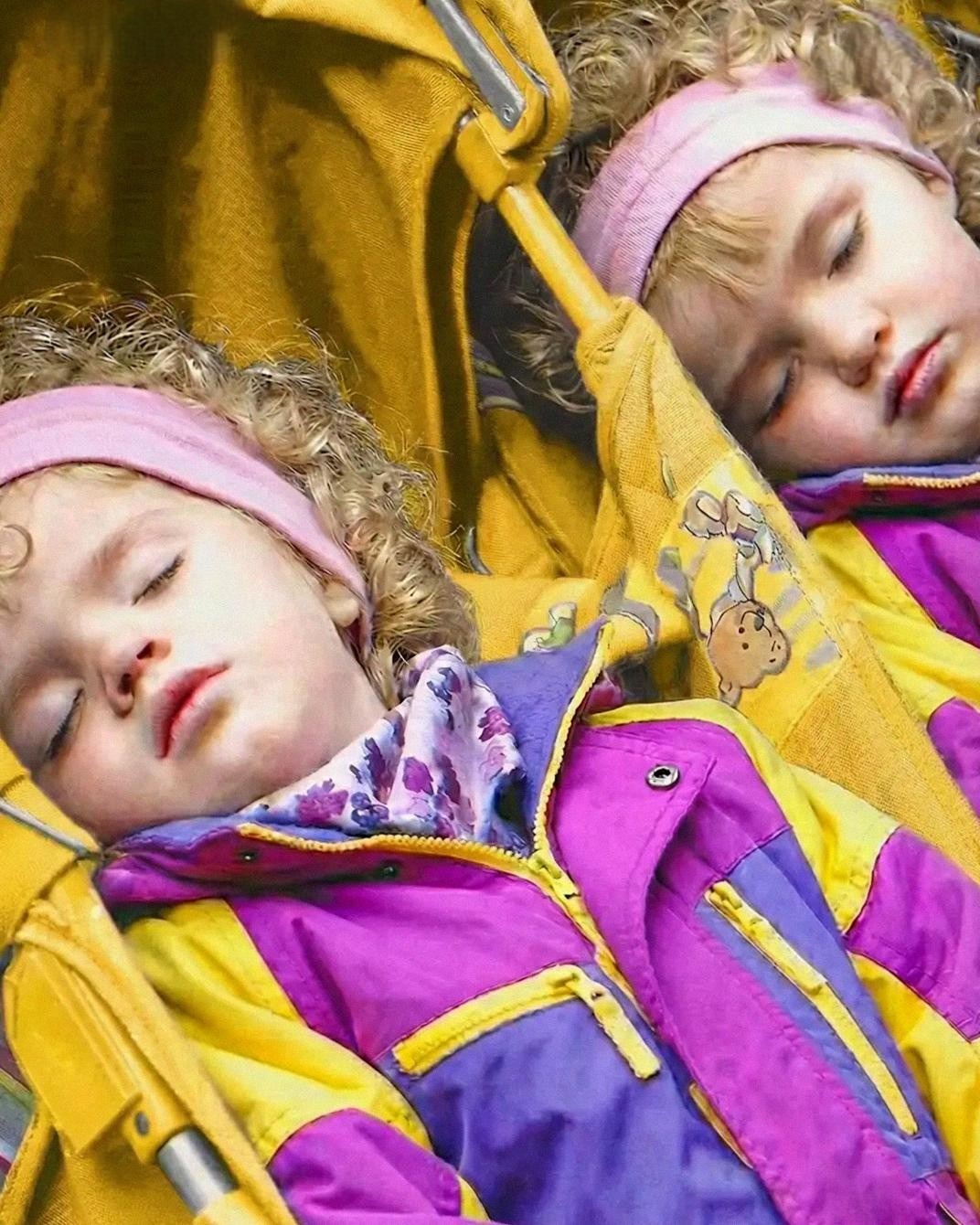
Inside were two babies—twin girls, maybe six months old, wrapped in mismatched blankets. Pink cheeks, tiny puffs of breath in the frigid air. Alive.

No doors opened, no footsteps approached. Just silence.

“Hey, sweethearts,” I whispered, my voice shaking. “Where’s your mom?”

No note. No ID. Just them. My hands trembled as I called 911, explaining through a cracking voice that I’d found two infants abandoned in the cold. The dispatcher guided me, telling me to keep them safe, out of the wind. I leaned the stroller against a brick wall, knocked on doors, finally sat on the curb beside them.

“I’m here,” I said. “I won’t leave you.”

Police arrived, followed by a CPS worker. She lifted each baby into her arms, and my chest tightened.

“Where are they going?” I asked.

“A temporary foster home,” she said. “They’ll be safe tonight.”

The stroller sat empty. I stood there, breath misting in the morning air, knowing something inside me had changed forever.

That night, I couldn’t eat. Steven noticed. I told him everything.
“What if we try to foster them?” he asked softly.

I laughed. “We can barely pay groceries some weeks.”

“I know,” he said. “But you already love them.”

And he was right.

The next day, CPS came. Home visits, questions, checks. A week later, the social worker revealed the twins were profoundly deaf.

“I don’t care,” I said. Neither did Steven.

A week later, Hannah and Diana arrived. Two car seats, two diaper bags, two wide-eyed babies who would change our world. Chaos reigned. They slept through noise but responded to light and touch. We learned ASL at midnight, signing nonsense and laughing until we cried. Money was tight. Sleep was rarer. But happiness? Pure, deep, unshakable.

The first time they signed “Mom” and “Dad,” I cried so hard Steven had to sit me down. We fought for interpreters, corrected strangers, insisted: “Nothing is wrong. They’re deaf, not broken.”

Years passed. Hannah became artistic, sketching outfits in notebook margins. Diana loved building—anything she could take apart and reinvent. They finished each other’s sentences in their own secret language.

When they were twelve, they entered a design contest—adaptive clothing for kids with disabilities. Hannah designed, Diana engineered. Hoodies that didn’t interfere with hearing devices. Pants with clever closures. Clothes that were functional, stylish, and thoughtful.

They didn’t expect to win.

Then, one afternoon, a children’s clothing company called. They’d seen the girls’ designs and wanted to collaborate. Paid. Real royalties. My head spun.

When I told them, they thought they’d done something wrong. Then they understood and cried, hugging me so tight I lost my balance.

“I love you,” Hannah signed. “Thank you for learning our language.”

“Thank you for taking us in,” Diana added. “For not saying we were too much.”

I signed back, tears blurring my vision: “I found you on a cold sidewalk. I promised I wouldn’t leave you. I meant it.”

That night, after the house was quiet, I looked at their baby photos—two tiny girls abandoned in the dark.

People say I saved them.

They don’t understand.

Those girls saved me.

Similar Posts