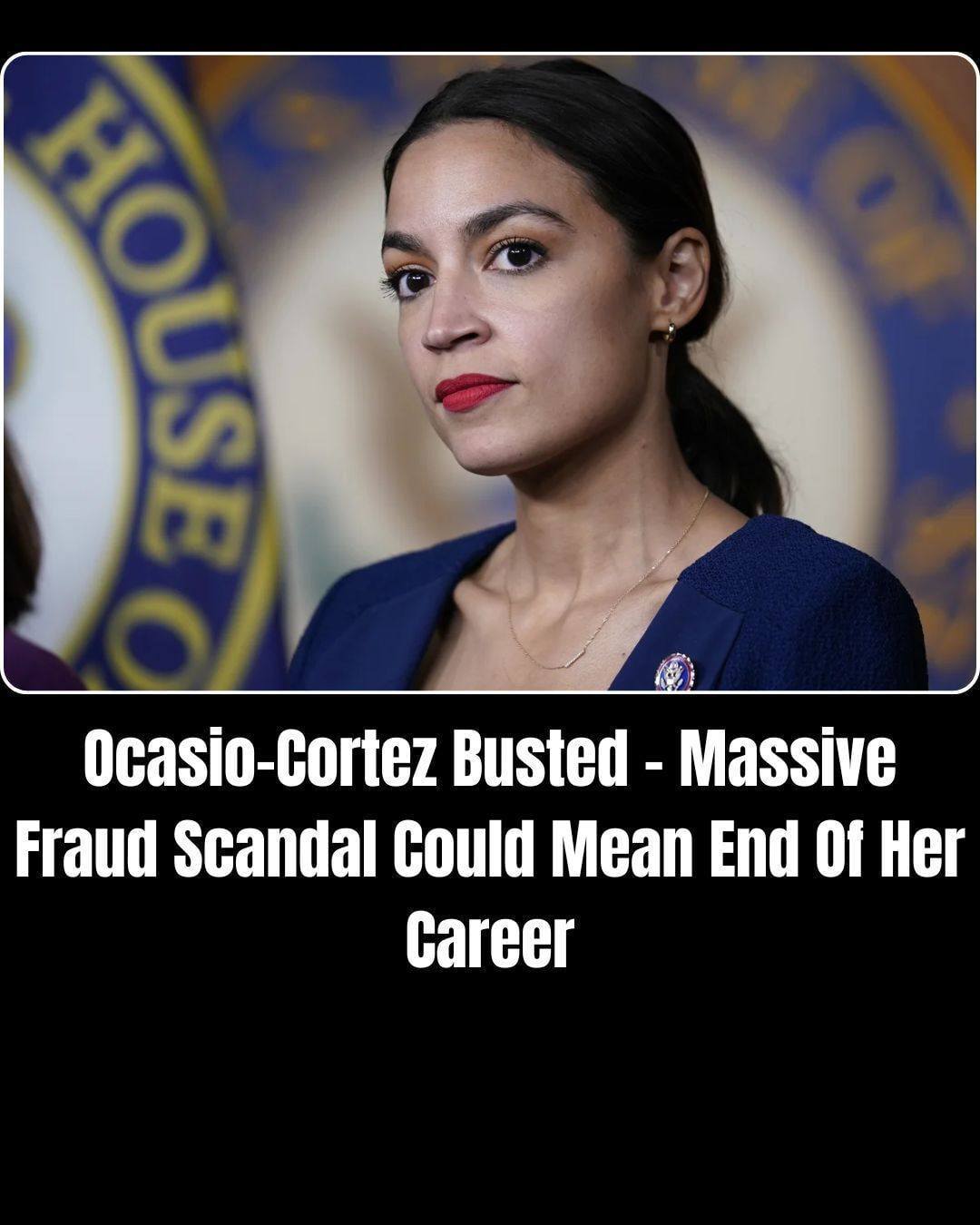
AOC Asked to Explain Use of Funds Meant for Thanksgiving Turkeys
Thanksgiving in New York City has long been defined by a deep-rooted tradition of communal generosity, where the focus remains steadfastly on supporting those less fortunate. However, that spirit of holiday altruism was met with a significant wave of controversy this year following a fundraising appeal associated with Representative Alexandria Ocasio-Cortez. While donors initially believed their contributions were backing a seasonal drive to feed struggling families, a chorus of critics and ethics observers now argue that the campaign’s mechanics primarily funneled capital into a political operation rather than providing direct food assistance. The appeal, which reached supporters via email in early November, carried all the hallmarks of a traditional charitable drive. The messaging leaned heavily into the spirit of the season, evoking the imagery of families gathered around holiday tables and highlighting the urgent need for turkeys, groceries, and essential supplies for those facing food insecurity. To the casual observer, it appeared to be a standard humanitarian call to action. In previous years, similar appeals from the Representative’s office had explicitly partnered with established nonprofit organizations. Those campaigns provided clear metrics on families served and offered donors transparent avenues to ensure their funds were converted into tangible aid. Because the tone, structure, and imagery of this year’s communication closely mirrored those successful past efforts, it created a baseline expectation among the constituency that their donations would once again support direct hunger relief.
A Subtle Shift in Mechanics
The controversy stems from a significant, if subtle, shift in the campaign’s backend mechanics. Supporters who followed the donation link within the email were not directed to a nonprofit gateway, but to ActBlue—the ubiquitous platform used for Democratic political fundraising.
Crucially, contributions made through this specific link were explicitly credited to “Alexandria Ocasio-Cortez for Congress.” There was no prominent or easily identifiable reference to a separate 501(c)(3) charitable organization, nor was there a clear disclosure separating the act of campaign fundraising from the act of holiday food assistance. While the prose of the email described an initiative to provide meals, the ultimate destination for the capital was a political war chest. This discrepancy has sparked a firestorm of concern regarding the transparency of the solicitation.
Navigating Legal and Ethical Gray Zones
The blending of charitable rhetoric with political fundraising has raised a suite of legal and ethical questions. Under U.S. campaign finance regulations, political entities are strictly governed in how they solicit and utilize donations; these laws require rigorous transparency and clear disclosure to prevent the public from being misled.
In this instance, the use of highly emotive, holiday-themed messaging has prompted a fierce debate over whether donors were provided with sufficient information to understand the true nature of their transaction. While federal regulators may eventually review the campaign for compliance with finance laws, the ethical post-mortem is already well underway. Critics argue that even if the campaign managed to meet the technical letter of disclosure requirements, the emotional framing—depicting families in crisis to trigger holiday generosity—may have effectively misled supporters into believing they were buying groceries for the hungry, rather than funding a political office.
The Erosion of Donor Trust
At the heart of the outcry is the issue of institutional trust. Holiday giving is driven by a desire for immediate, tangible impact. When the lines between altruism and partisanship are blurred, it risks undermining public confidence in both nonprofit fundraising and political engagement.
Consumer advocacy groups have responded to the controversy by emphasizing the necessity of absolute clarity in fundraising communications. These groups are now urging individuals who wish to support hunger relief to bypass political links and donate directly to established, reputable charities such as the Food Bank For New York City or Feeding America. Such direct contributions ensure that the donor’s intent matches the ultimate use of the funds. Simultaneously, there is a growing call for political campaigns to avoid using emotionally charged, non-political imagery to solicit funds for campaign objectives.
Public Backlash and the Political Fallout
Media coverage of the email was swift, with major outlets labeling the situation as a “Thanksgiving turkey drive controversy.” The reports highlighted the growing friction between holiday goodwill and the relentless machinery of political fundraising. On social media, the discussion was further amplified, with a polarized debate over whether the campaign had crossed a fundamental ethical line.
Defenders of the Representative argue that the donor base is generally savvy and well-aware of ActBlue’s role in political finance, maintaining that the contributions were entirely legal. However, the juxtaposition of a hunger-relief narrative with a political solicitation during a season of traditional selflessness has fueled a deep skepticism. The fallout suggests that while the case may be closed procedurally, the question of whether it was right to use the holiday table as a fundraising hook remains a point of intense public contention.
In the modern political landscape, the currency of “emotive appeal” has become as valuable as any policy platform. However, critics now contend that when campaigns leverage the visceral language of hunger relief to drive fundraising, they risk a profound erosion of public trust. By cloaking a political ask in the visual and emotional aesthetics of a traditional food drive—often without explicit, front-facing clarification on how those funds will be allocated—supporters find themselves unknowingly redirected. Instead of providing the immediate charitable aid they intended, their contributions are funneled toward partisan objectives, creating a disconnect that some observers find professionally and ethically troubling.
The Blurring of Politics and Philanthropy
The controversy surrounding this latest fundraising appeal underscores a much larger, burgeoning conversation regarding the intersection of politics and philanthropy. The use of compelling narratives—the image of an empty holiday table, the promise of a child receiving a warm meal—is a foundational tactic in the nonprofit sector. Yet, when these narratives are co-opted by political machines without rigorous disclosure, it triggers more than just confusion; it creates a significant reputational risk for both the candidate and the broader cause of hunger relief.
Ethics experts suggest that the primary issue here is not necessarily one of strict illegality, but rather a crisis of perception and transparency. When a donor is presented with an appeal that mirrors a charitable initiative, they naturally assume their money will manifest in tangible ways—turkeys delivered, shelves stocked, families fed. When reality diverges into a campaign account, the resulting public backlash and media scrutiny are often as swift as they are damaging.
A Polarized Public Response
As news of the Thanksgiving fundraising tactics spread, the reaction from the New York public was immediate and sharply divided. For many supporters who clicked the donation link expecting to alleviate the seasonal burden of a struggling family, the discovery that their funds were destined for “Alexandria Ocasio-Cortez for Congress” via ActBlue was met with surprise and palpable frustration.
Many of these donors reported feeling misled, describing the solicitation as an “emotional trap” that lacked the necessary transparency to make an informed choice. Online forums and social media became hubs for this mixture of disappointment and ethical concern. One donor, speaking on the condition of anonymity, summarized the sentiment to a local outlet: “I thought I was helping feed families this Thanksgiving. Instead, my donation ended up in a campaign account. That’s not what I signed up for.”
Critics argue that such strategies exploit the emotional vulnerability inherent in the holiday season, potentially poisoning the well for legitimate nonprofit efforts. Conversely, defenders of the practice maintain that ActBlue is a well-known partisan tool and that the onus of due diligence rests with the donor. They argue that because the appeal did not explicitly promise 100% of funds would go to food, the campaign remained within its rights—an interpretation that critics call a “natural byproduct” of a deliberately misleading emotional frame.
Comparing Past and Present
The current controversy is further complicated by the Ocasio-Cortez campaign’s own history. In previous cycles, holiday appeals were more traditionally and explicitly tied to nonprofit partners. Those campaigns featured clear communication regarding the specific organizations involved and the intended impact, allowing donors to see the direct results of their generosity, such as turkeys distributed to local food banks.
By contrast, this year’s appeal retained the emotional “wrapping” of a food drive while rerouting the entire capital flow into campaign operations. Ethics specialists suggest that this pivot, even if it stays within the “gray areas” of federal election law, threatens to damage the long-term credibility of political organizations.
The Legal Gray Zone
While the FEC requires campaigns to disclose the recipient of donations, the use of “nonprofit-style” messaging to secure those funds exists in a territory that is legally permissible but ethically fraught. Analysts emphasize that while a solicitation may technically meet the letter of the law, it can still be “misleading in spirit.” Experts now recommend a total separation of political messaging from charitable appeals, or at the very least, an unambiguous “nutrition label” for every dollar donated.
Ultimately, the 2025 Thanksgiving controversy serves as a stark reminder of the delicate balance between driving engagement and maintaining integrity. For the donor, the lesson is one of increased vigilance; for the campaign, it is a reminder that misplaced emotional leverage can result in a permanent deficit of trust.