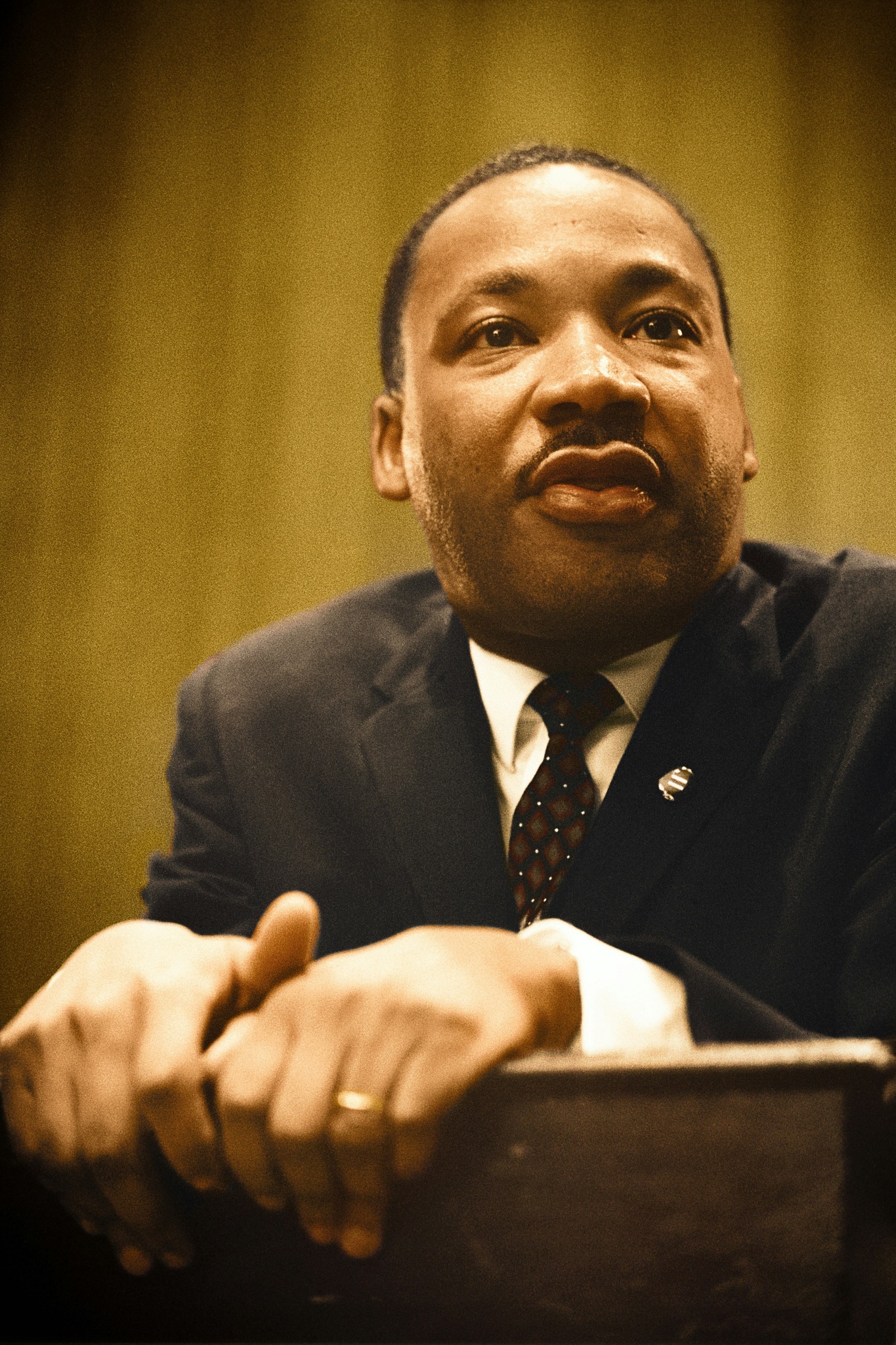
Martin Luther King Jr: A Leader for Justice and Equality

Martin Luther King Jr. was one of the most influential leaders in American history. He is best known for his leadership in the Civil Rights Movement during the 1950s and 1960s, where he worked tirelessly to end racial segregation and discrimination against African Americans. Through his commitment to nonviolent protest, powerful speeches, and moral leadership, King helped transform the United States and inspired movements for justice around the world.

Martin Luther King Jr. was born on January 15, 1929, in Atlanta, Georgia. He grew up in a deeply religious family; his father and grandfather were both Baptist ministers. From an early age, King experienced racial discrimination, which shaped his understanding of injustice. He excelled academically and eventually earned a doctorate in theology, becoming Dr. King. His education and faith strongly influenced his belief that social change could be achieved through peaceful means.


King rose to national prominence in 1955 during the Montgomery Bus Boycott in Alabama. After Rosa Parks was arrested for refusing to give up her seat to a white passenger, African Americans in Montgomery organized a boycott of the city’s buses. King, then a young pastor, was chosen to lead the movement. The boycott lasted over a year and ended with a Supreme Court ruling that declared bus segregation unconstitutional. This success demonstrated the power of organized, nonviolent resistance.

Throughout the Civil Rights Movement, King emphasized nonviolence as the most effective way to confront injustice. He was inspired by the teachings of Jesus Christ and the philosophy of Mahatma Gandhi. King believed that nonviolent protest could expose the moral wrongs of segregation while avoiding hatred and violence. Despite facing arrests, threats, and physical attacks, he remained committed to peaceful action.

One of King’s most famous moments came on August 28, 1963, during the March on Washington for Jobs and Freedom. Standing before more than 250,000 people at the Lincoln Memorial, he delivered his iconic “I Have a Dream” speech. In it, King spoke of a future where people would be judged by their character rather than the color of their skin. The speech became a defining symbol of the Civil Rights Movement and continues to inspire people today.

King’s efforts helped lead to major legislative changes. The Civil Rights Act of 1964 outlawed segregation in public places and banned employment discrimination. The Voting Rights Act of 1965 protected African Americans’ right to vote. These laws marked significant progress toward equality, although King understood that the struggle for justice was far from over.

Tragically, Martin Luther King Jr. was assassinated on April 4, 1968, in Memphis, Tennessee. His death shocked the nation, but his legacy endured. Today, he is remembered not only as a civil rights leader but also as a symbol of courage, compassion, and hope. Martin Luther King Jr.’s message—that justice, equality, and peace are achievable through nonviolence—remains deeply relevant in the ongoing fight for human rights.


Similar Posts