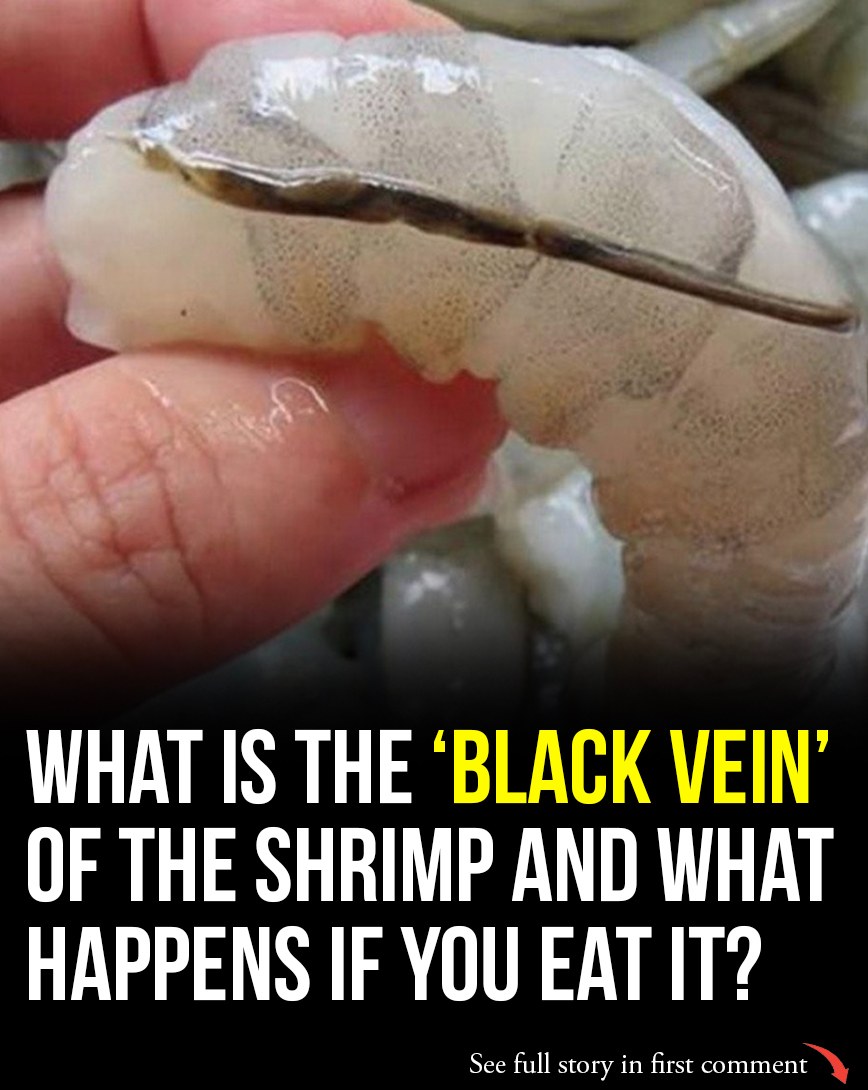
“How to clean and cook shrimp, including tips on the dark vein.”
Shrimp is one of the most beloved seafood options worldwide, adored for its delicate flavor, versatility in cooking, and impressive nutritional profile.
Whether sautéed, grilled, boiled, or baked, shrimp can transform a simple meal into a gourmet experience. Yet, for many home cooks, the tiny black line running down the shrimp’s back can be a source of confusion—and even a little disgust.
That line, often called the “black vein,” has puzzled cooks for decades: what is it, should you remove it, and how does it impact the taste and presentation of your shrimp? In this detailed guide, we’ll explore everything you need to know about shrimp, from selecting and cleaning it to cooking, serving, and understanding its nutritional benefits.
What Is the “Black Vein” in Shrimp?
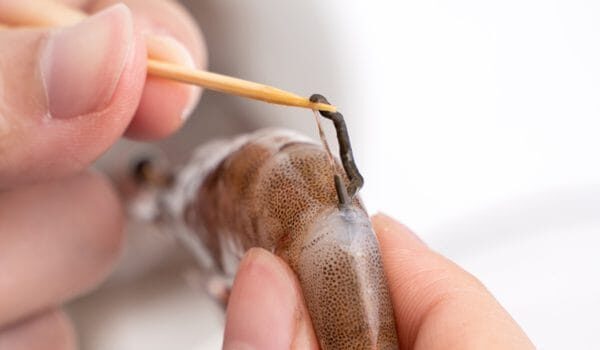
Contrary to popular belief, the black line running along a shrimp’s back is not a blood vessel. It is, in fact, the shrimp’s digestive tract, essentially its “poop chute.”
While this may sound unappetizing, it is completely safe to eat. Shrimp are filter feeders, and this vein can sometimes contain grit or partially digested food, which may give the shrimp a slightly bitter, sandy taste.
For this reason, many chefs and home cooks choose to remove it, particularly when presentation is important—such as in shrimp salads, scampi, kabobs, or elegant seafood dishes.
The vein’s color may vary depending on the shrimp’s diet and whether it’s wild-caught or farm-raised. In wild shrimp, the vein is typically darker due to natural pigments in their diet, while in farm-raised shrimp, it may be lighter.
Why Deveining Shrimp Makes a Difference
Deveining shrimp is more than just a culinary tradition—it can significantly improve the taste, texture, and appearance of your dish. Here’s why it matters:
Improved Flavor: Removing the vein eliminates any grit or partially digested food that might cause a slightly bitter taste.
Better Texture: Grit from the vein can add an unpleasant crunch, which is especially noticeable in lightly cooked shrimp dishes.
Enhanced Presentation: Clean, deveined shrimp look professional and appetizing, making them perfect for dinner parties, holidays, or social media‑worthy dishes.
Even if you’re cooking in a spicy sauce, deveining can still help prevent unexpected crunch or bitterness, ensuring every bite is smooth and flavorful.
Step-By-Step Guide to Deveining Shrimp
Deveining shrimp is simple and takes only a minute once you get the hang of it. Here’s how:
Rinse the Shrimp: Start by rinsing your shrimp under cold running water to remove surface impurities.
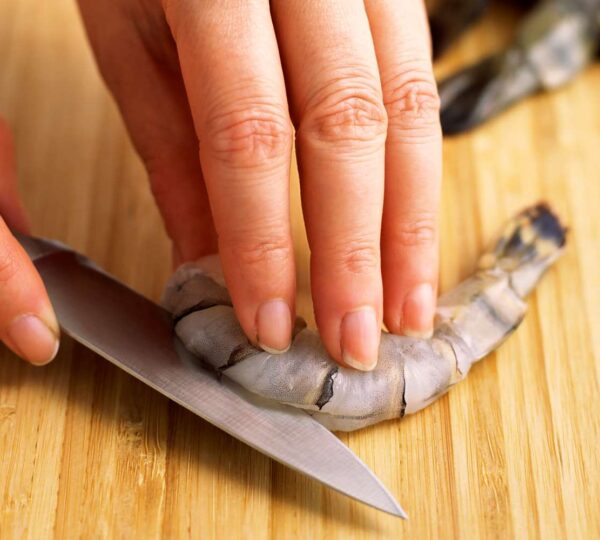
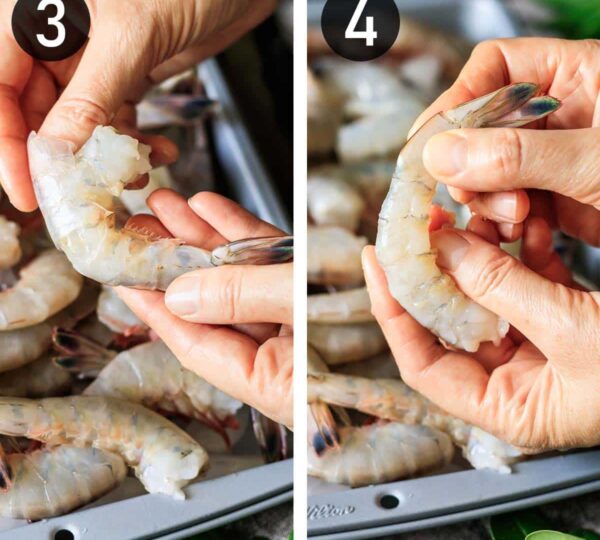
Make a Shallow Cut: Using a small paring knife or a specialized shrimp deveiner, make a shallow cut along the back from the head to the tail.
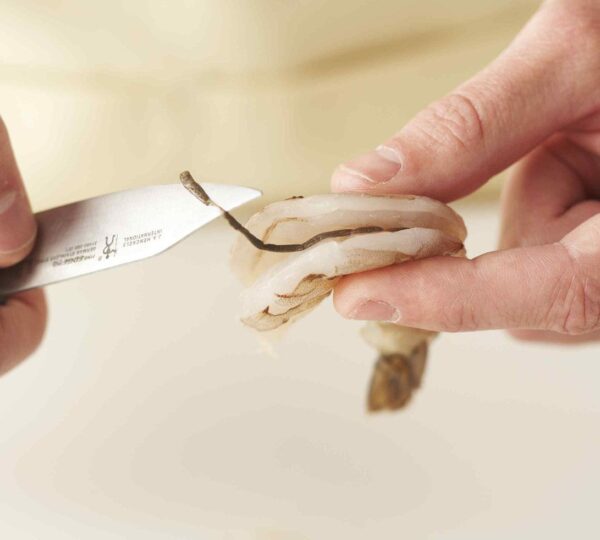
Remove the Vein: Lift out the vein carefully with the tip of the knife or your fingers. Some veins may break into pieces, so be thorough.
Rinse Again: Rinse the shrimp under cold water one more time to remove any remaining grit or vein remnants.
Dry Before Cooking: Pat the shrimp dry with a paper towel for the best cooking results, especially if sautéing or grilling.
A small trick for beginners: if the vein is particularly dark, placing the shrimp in ice water for 10–15 minutes before deveining can help firm the flesh and make the vein easier to remove.
Do You Always Need to Devein Shrimp?
Not everyone chooses to remove the vein, and there are situations where it might be unnecessary:
Small Shrimp: Tiny shrimp often have veins so thin they are almost imperceptible and don’t impact taste.
Heavily Spiced Dishes: If shrimp are cooked in a flavorful curry, gumbo, or Cajun seasoning, the vein’s taste may be masked by the spices.
Farm-Raised Shrimp: These shrimp tend to have lighter, cleaner veins, so the taste difference may be negligible.
Ultimately, deveining is a personal preference. For family meals, quick weeknight dishes, or recipes where shrimp is incorporated into sauces, it might not be essential. However, for presentation-focused dishes, especially those where shrimp are the star of the plate, deveining is highly recommended.
Buying the Best Shrimp: Tips and Tricks
Choosing the right shrimp is as important as how you cook it. Here’s a detailed guide for selecting the best quality shrimp:
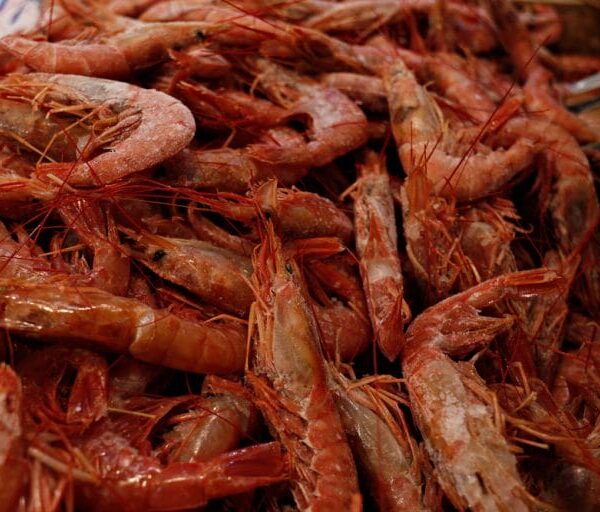
Fresh vs. Frozen: Fresh shrimp are usually preferred for delicate dishes. Look for firm flesh, a mild ocean scent, and translucent shells. Frozen shrimp can be just as good if properly frozen immediately after being caught.
Shell-On or Peeled: Shell-on shrimp provide more flavor when cooking (especially for grilling or roasting) and are perfect for making homemade shrimp stock. Peeled shrimp are convenient for quick sautés or shrimp cocktails.
Wild-Caught vs. Farm-Raised: Wild-caught shrimp often have a stronger flavor and firmer texture, while farm-raised shrimp are typically more uniform in size and available year-round. Sustainability is a key consideration; look for shrimp certified by Aquaculture Stewardship Council (ASC) or Marine Stewardship Council (MSC).
Smell and Texture: Avoid shrimp with a strong ammonia smell or soft, slimy flesh—both indicate spoilage. Fresh shrimp should have a clean, slightly salty smell and firm, springy flesh.
Pre-Deveined Options: Many grocery stores sell pre-deveined shrimp, which saves time but often comes at a higher price.
Bonus Tip: If you buy shrimp with shells, don’t throw them away. Shrimp shells make an excellent base for homemade stock, adding depth of flavor to soups, risottos, and stews.
Common Shrimp-Cooking Mistakes
Even experienced cooks sometimes make errors when cooking shrimp. Here’s how to avoid them:
Overcooking: Shrimp cook quickly—usually 2–5 minutes depending on size. Overcooking causes them to become rubbery and lose flavor. Shrimp are done when they turn opaque with a slight curl.
Skipping Cleaning: Leaving the vein in may affect taste and presentation, especially for larger shrimp.
Poor Thawing: Never thaw shrimp at room temperature. Use the refrigerator or cold running water to maintain freshness and prevent bacterial growth.
Cooking Wet Shrimp: Pat shrimp dry before sautéing or grilling. Excess moisture prevents browning and creates steam, reducing flavor and texture.
Crowding the Pan: Cooking too many shrimp at once lowers the pan temperature, causing them to boil rather than sear. Cook in batches if necessary.
Shrimp Nutrition: Why It’s a Superfood
Shrimp is more than delicious—it’s packed with essential nutrients, making it one of the most nutrient-dense proteins available:
Low in Calories: A 3-ounce serving of cooked shrimp has only around 84 calories.
High in Protein: About 18 grams per 3-ounce serving, essential for muscle repair and growth.
Rich in Vitamins and Minerals: Includes vitamin B12, iodine, selenium, zinc, and iron, which support brain function, thyroid health, and immunity.
Omega-3 Fatty Acids: These heart-healthy fats help reduce inflammation and support cardiovascular health.
Antioxidants: Contains astaxanthin, a powerful antioxidant responsible for shrimp’s pink color, which can reduce inflammation and support skin health.
Regular shrimp consumption can improve cholesterol levels, support weight management, and contribute to overall heart and brain health.
Cooking Shrimp: Methods and Tips
Shrimp can be prepared in countless ways, each method enhancing its natural flavor:
Sautéing: Quick and versatile. Use olive oil or butter, garlic, and lemon for a simple, flavorful dish. Cook 2–3 minutes per side.
Grilling: Works best with shell-on shrimp for added flavor. Skewer shrimp to prevent curling and brush with marinades or spices.
Boiling: Perfect for shrimp cocktails. Boil with salt, lemon, bay leaves, and Old Bay seasoning for 2–3 minutes. Shock in ice water to stop cooking.
Baking: Toss shrimp with herbs and olive oil, bake at 400°F for 6–8 minutes. Avoid overcooking.
Steaming: Retains moisture and is ideal for delicate shrimp. Steam with aromatics such as garlic, ginger, and lemon slices.
Shrimp Pairings: Sauces, Herbs, and Side Dishes
Shrimp is incredibly versatile and pairs beautifully with a wide range of flavors:
Herbs: Parsley, cilantro, dill, basil, tarragon.
Spices: Paprika, cayenne, Old Bay, garlic powder, black pepper.
Citrus: Lemon, lime, orange zest, or a splash of juice to brighten flavors.
Sauces: Garlic butter, lemon-butter, cocktail sauce, aioli, or a spicy Cajun cream sauce.
Side Dishes: Rice, quinoa, pasta, roasted vegetables, or a fresh green salad.
Shrimp Storage and Shelf Life
Proper storage ensures shrimp remain fresh and safe to eat:
Refrigerator: Fresh shrimp should be cooked within 1–2 days. Keep in the coldest part of the fridge, preferably on ice.
Freezer: Raw shrimp freeze well for 3–6 months; cooked shrimp for 2–3 months. Store in airtight containers or freezer bags to prevent freezer burn.
Thawing: Thaw frozen shrimp overnight in the refrigerator or under cold running water. Never leave at room temperature.
Sustainability and Ethical Considerations
Shrimp farming and fishing practices vary widely. To make ethical choices:
Look for wild-caught shrimp certified by MSC.
Choose responsibly farmed shrimp certified by ASC.
Avoid shrimp caught with destructive trawling methods that damage ocean habitats.
Sustainable shrimp supports ocean ecosystems and ensures future generations can enjoy this seafood.
Conclusion
Shrimp may seem simple at first glance, but understanding how to clean, cook, and appreciate it can elevate your meals significantly. Deveining removes the digestive tract for better taste and presentation, while choosing fresh, high-quality shrimp ensures optimal flavor.
Cooking methods, seasoning, and pairing ingredients all play a role in creating a dish that’s as beautiful as it is delicious.
Beyond its culinary appeal, shrimp is a superfood packed with protein, vitamins, minerals, and antioxidants. From improving heart health to supporting immunity, shrimp brings both taste and nutrition to your table.
So next time you cook shrimp, take a few extra minutes to devein and prepare it properly. Your taste buds—and your guests—will thank you.