Expert reveals detail about Alex Prettis gun that offers possible clue why Border Patrol agent shot him
An emerging detail about the firearm carried by Alex Pretti has added a new and troubling layer to questions surrounding his death, as scrutiny intensifies over the actions of federal agents during a Minneapolis enforcement operation that ended with the 37-year-old being shot multiple times at close range.
Pretti was killed on Saturday, January 24, during a confrontation with agents operating under federal immigration authorities. His death came less than three weeks after another fatal encounter in the same city, when 37-year-old Renee Good was killed during a separate operation, sparking protests and widespread outrage. Together, the two incidents have placed a harsh spotlight on enforcement tactics, use of force, and accountability during federal operations in urban areas.
According to witnesses and early reports, Pretti, an ICU nurse known for working closely with U.S. military veterans, was pepper-sprayed and physically restrained by agents before shots were fired. Authorities initially framed the incident as a narrowly averted catastrophe, claiming Pretti posed an imminent threat to law enforcement.
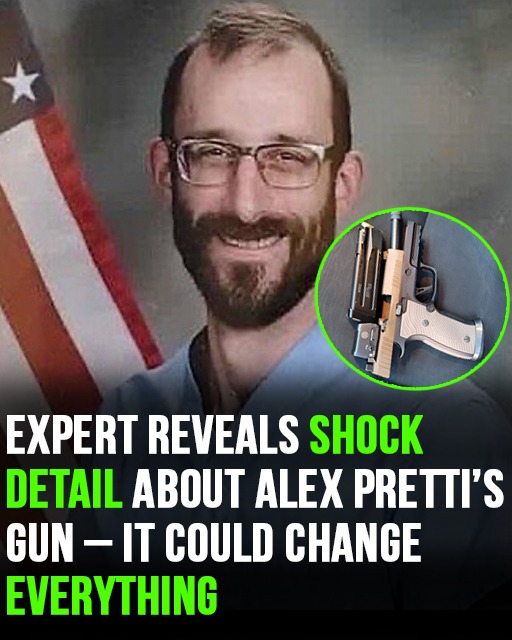
In the hours following the shooting, federal officials moved quickly to define the narrative. Kristi Noem, the Secretary of Homeland Security, stated publicly that Pretti had brandished a firearm and intended to inflict “maximum damage,” alleging he was preparing to carry out a massacre against officers. Those claims were amplified by Donald Trump, who described Pretti as a gunman on social media and shared an image of a handgun purportedly recovered at the scene.
Those assertions are now being sharply questioned.
Video footage recorded by bystanders and circulating widely online appears to contradict the official version of events. While it is undisputed that Pretti legally owned a handgun and possessed a valid permit to carry it, multiple recordings suggest the firearm was removed from his holster by agents before any shots were fired. In at least one video, Pretti can be seen holding only a cellphone, with his other hand raised, as he attempts to shield two women who were caught in the chaos of the confrontation.
The footage shows a rapidly escalating scene, with shouting, pepper spray, and agents forcing individuals to the ground. Moments later, gunfire erupts. Crucially, Pretti appears to be pinned down and disarmed when the shots are fired, a detail that has become central to mounting public concern.
Into that context stepped a firearms expert with experience analyzing use-of-force cases. Rob Doar, an attorney for the Minnesota Gun Owners Caucus, offered a theory that, if substantiated, could fundamentally alter the understanding of what happened.
Doar pointed to the specific model of handgun Pretti was carrying, a SIG Sauer Sig P320, and suggested the possibility that the first shot heard in the videos may not have come from Pretti at all. Instead, he proposed that it may have been the result of a negligent discharge by an agent who had removed the weapon from Pretti’s holster.
In a public post, Doar stated that based on the footage available, it was “highly likely” the initial gunshot occurred when an agent handling the firearm unintentionally discharged it. According to this theory, another agent may have interpreted that sound as hostile fire and responded by opening fire on Pretti.
Doar was careful to note that his assessment was not a definitive conclusion, but an analysis that should be fully examined during an official investigation. Still, the implications are severe. If the first shot was accidental and came from an agent’s weapon, it raises the possibility that Pretti was killed in a chain reaction triggered by confusion rather than an actual threat.
Independent media outlets reviewing the footage have noted that Pretti does not appear to reach for a weapon at any point visible on video. Instead, the recordings show him already subdued when gunfire begins. That discrepancy has fueled skepticism toward the initial statements released by federal authorities and increased calls for transparency.