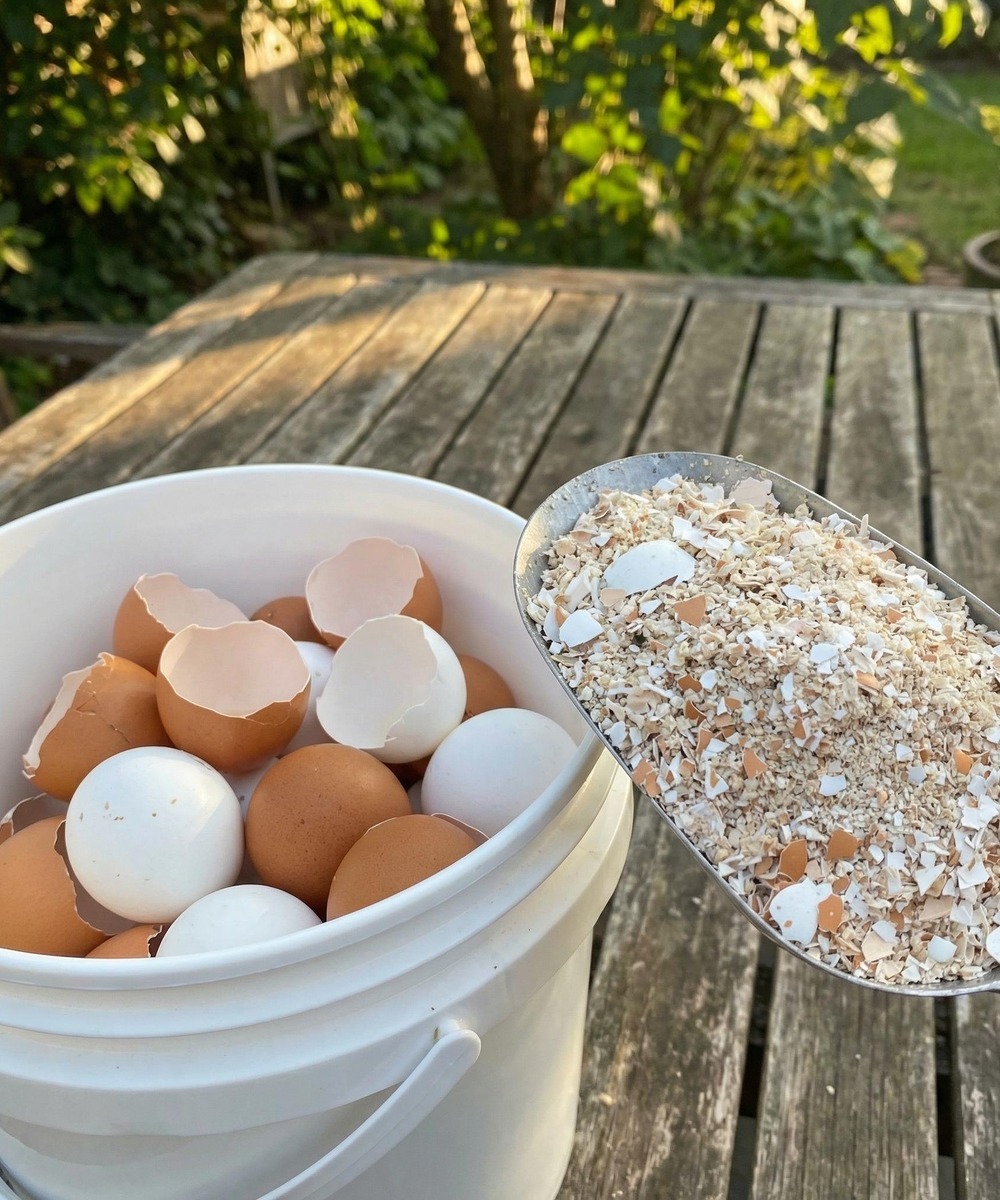
How to Boil Eggshells for Practical Home Uses!
Eggshells are usually tossed into the trash without a second thought, yet they are one of the most overlooked resources in an ordinary kitchen. With minimal effort, these fragile-looking shells can be transformed into something genuinely useful for your home, garden, and cleaning routine. Rich in calcium and surprisingly durable once dried, eggshells fit naturally into a low-waste lifestyle that values practicality over convenience. Reusing them doesn’t require special tools, advanced knowledge, or extra expense—just a bit of intention and basic preparation.
The key to making eggshells safe and usable is proper cleaning. Fresh shells often carry residue from egg whites or membranes, which can attract bacteria or unpleasant odors if left untreated. Start by rinsing the shells thoroughly under running water, gently removing any remaining egg material. Once rinsed, place the shells into a pot and cover them with clean water. Bring the water to a gentle boil and allow the shells to simmer for ten to fifteen minutes. This process sanitizes the shells, eliminates lingering organic matter, and neutralizes potential pathogens. After boiling, drain the water carefully and spread the shells out on a clean towel or baking sheet. Allow them to dry completely, either at room temperature or in a warm oven set to low heat. Fully dried shells are easier to crush and can be stored safely in a sealed container until needed.
Once prepared, eggshells become surprisingly versatile. One of their most common uses is in gardening, where their calcium content can support soil health over time. When crushed into small pieces or ground into a fine powder, eggshells can be mixed directly into compost bins. As compost breaks down, the shells slowly release minerals back into the soil, helping to balance acidity and improve long-term nutrient availability. While they are not a fast-acting fertilizer, they contribute steadily and naturally, making them ideal for gardeners who prefer gradual soil improvement rather than chemical solutions.
Eggshells can also serve as a simple physical barrier in garden beds. Coarsely crushed shells sprinkled around the base of plants can discourage certain crawling pests by creating a rough surface that is uncomfortable to cross. While not a foolproof defense, this method can reduce pest activity without introducing toxins into the environment. Additionally, eggshells are well-suited for seed starting. Half shells filled with soil can hold herb or flower seeds, providing a biodegradable container that can later be planted directly into the ground. As the plant grows, the shell naturally breaks down, minimizing root disturbance and waste.
Beyond the garden, eggshells have practical applications inside the home as well. When finely crushed, they can be combined with warm water and mild soap to create a gentle abrasive cleaner. This mixture works well for scrubbing pots, pans, baking trays, and even stubborn residue in sinks. Unlike synthetic scouring pads or chemical cleaners, crushed eggshells are biodegradable and non-toxic, making them a safer option for households aiming to reduce their environmental footprint. Their mild abrasiveness is effective without being overly harsh, though caution should be used on delicate surfaces such as nonstick coatings or polished finishes.
Eggshells can also be used as a natural deodorizer. Dried shells placed in small breathable containers can help absorb odors in refrigerators, cabinets, or compost bins. Their porous structure allows them to trap smells over time, offering a simple alternative to commercial odor absorbers. When the shells lose effectiveness, they can be replaced and composted, keeping the cycle waste-free.
For those who enjoy practical household solutions, eggshells can even assist with minor maintenance tasks. Ground into a fine powder, they can be mixed with glue to create a simple filler for small cracks in wood or pottery. Once dried, the mixture hardens and can be sanded smooth. While this is not a replacement for professional repair materials, it can be useful for small, low-stress fixes around the home.
It is important, however, to use eggshells thoughtfully. They are best suited for household and gardening purposes rather than health-related uses. While eggshells are high in calcium, consuming them or using them as supplements is not recommended without proper processing and medical guidance. Improper preparation can pose health risks, and they should never replace professionally approved dietary supplements or treatments. Similarly, eggshell-based cleaners should be used with care to avoid scratching sensitive surfaces.
Incorporating eggshell reuse into daily routines is less about perfection and more about mindset. Each shell reused is one less item sent to a landfill and one more step toward a more conscious way of living. The practice encourages a shift in perspective—seeing value where waste once existed. Over time, small habits like this can add up, reducing household waste and fostering a deeper awareness of how everyday materials can serve more than one purpose.
Eggshells may be humble, but their usefulness extends far beyond breakfast. With simple preparation and a bit of creativity, they can support plants, clean cookware, absorb odors, and contribute to a more sustainable home. What was once discarded becomes a quiet helper, proving that many ordinary items still have value long after their original role is finished.