Remembering the Brightest Stars Who Shaped Our Lives
Sometimes, it’s nice to pause and remember simpler times—a period when laughter was louder, days felt slower, and even the smallest moments brought a sense of joy.
Looking at historical photographs from Hollywood’s golden age provides more than just entertainment; it serves as a portal into an era defined by elegance, charm, and effortless charisma.
From the dazzling glamour of movie stars to the edgy rebellion of rock icons, each photograph captures a world that feels both familiar and distant.
While it’s important to avoid romanticizing the past—every era has its unique challenges and charms—it’s equally undeniable that Hollywood in the mid-20th century produced a level of star quality and natural beauty that seems rare today.
Unlike the contemporary obsession with cosmetic enhancements, fillers, or surgical alterations, many stars of the past cultivated a more organic allure.
Their beauty was amplified by personality, confidence, and presence rather than heavy makeup or surgical precision. Observing these images, one notices a common thread: people looked relaxed, at ease, and genuinely present.
Unlike the often anxious or overly posed photos of today’s celebrities, these snapshots reflect authenticity, joy, and spontaneity.
Burt Reynolds and Farrah Fawcett: The Quintessential 1980s Duo
A great example of this playful energy can be found in the 1981 film The Cannonball Run. Originally intended for Steve McQueen, the film’s lead role eventually went to Burt Reynolds after McQueen’s untimely passing.
Reynolds brought his trademark charm to the role, transforming the film into a comedic adventure that became a cultural touchstone of the early 1980s.
A behind-the-scenes photograph of Reynolds with Farrah Fawcett perfectly captures the lightheartedness and chemistry that made the movie memorable.
Reynolds’ relaxed demeanor complements Fawcett’s effortless beauty, illustrating an era when actors exuded a natural charisma rather than relying solely on glamorous styling or digital enhancement.
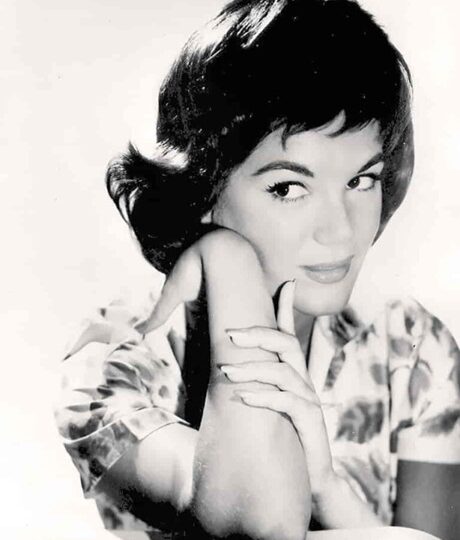
Fawcett, already famous for her iconic poster and red swimsuit photos, brought vivacity and confidence to the screen, reminding audiences that charm and personality could elevate physical beauty.
These moments—both on and off set—highlight a Hollywood where joy, spontaneity, and personal magnetism were paramount.
The playful interactions between Reynolds and Fawcett are a testament to the charisma-driven approach of actors at the time, offering a reminder that star quality often came from presence and personality as much as physical appearance.
Catherine Deneuve: The Poise of French Elegance
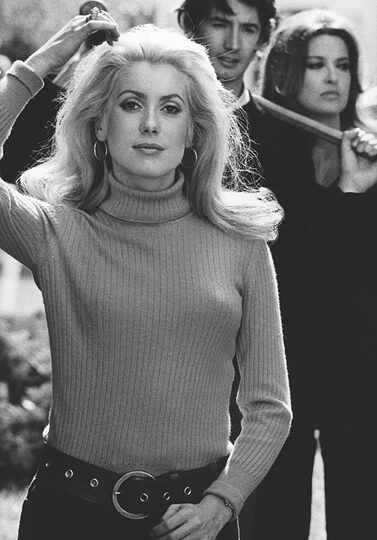
Catherine Deneuve, one of Europe’s most enduring icons, embodies the effortless sophistication of 1960s cinema. A photograph of her on the set of La Chamade (1968) transports viewers into an era when beauty was about natural elegance and confidence.
In the film, Deneuve plays a young mistress of Charles, a wealthy and good-hearted businessman. Her long blonde hair, poised smile, and serene gaze reflect the style of the late ’60s: sophisticated, bold, yet inherently approachable.
There’s a sense of anticipation in her expression, a quiet joy in her posture, that captures the spirit of the era—women who were beginning to assert independence while retaining traditional grace.
Deneuve’s enduring appeal lies in her ability to combine elegance with a subtle, approachable humanity, a balance less commonly emphasized in today’s celebrity culture.
Brigitte Bardot: Icon of Sensuality and Natural Beauty
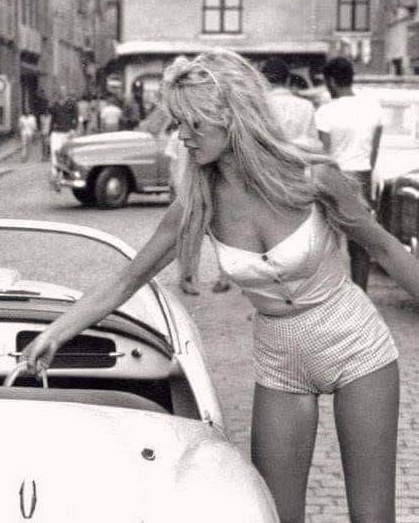
Few stars symbolize mid-century European allure as vividly as Brigitte Bardot. Rising to fame in the 1950s, Bardot became synonymous with effortless sensuality. Her long blonde locks, flawless complexion, and signature pout defined an era’s standard of beauty.
A vintage photograph of Bardot in St. Tropez from 1958 has recently resurfaced and captivated audiences once more. In it, she radiates the carefree charm and natural confidence that made her a global sensation.
Unlike modern trends dominated by cosmetic procedures, Bardot’s appeal was inherent—her curves, her expressions, and her presence spoke volumes without artificial enhancement. Her enduring influence is seen today in fashion, photography, and the continued celebration of natural beauty in pop culture.
Tony Curtis and Janet Leigh: Hollywood’s Enduring Love Story
Hollywood’s golden era was also about compelling personal narratives, not just screen presence. Tony Curtis and Janet Leigh, one of the most iconic couples of the 1960s, exemplified this.
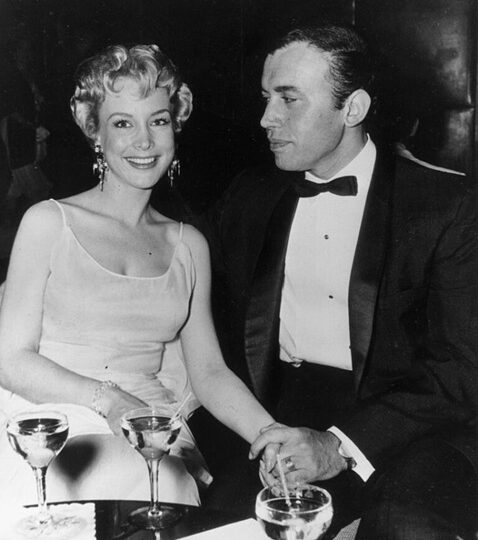
Despite warnings from peers that their marriage might jeopardize their careers, the duo married and became a symbol of romance and partnership in Hollywood.
Vintage photographs of Curtis and Leigh reflect genuine warmth, chemistry, and a sense of effortless elegance. Their images evoke nostalgia not only for classic film but for a time when celebrity relationships were celebrated for their authenticity and charm.
Curtis’ rugged charisma paired with Leigh’s graceful beauty created a visual harmony that remains iconic even decades later.
Ursula Andress: Bond Girl and International Icon
No retrospective of classic Hollywood beauty is complete without mentioning Ursula Andress. Catapulted to worldwide fame by her role as Honey Ryder in Dr. No (1962), Andress became the first cinematic Bond girl, forever imprinting her image in popular culture.
Her appearance in the iconic white bikini scene is often cited as one of the most memorable moments in film history.
The combination of cinematic framing, natural elegance, and her confident presence created a lasting impression that transcended the film itself. Andress’ success illustrates how a moment of authenticity—combined with inherent charm and poise—can define a career.
Jacqueline Bisset: Timeless Charm and Innocent Elegance
Jacqueline Bisset is another example of Hollywood’s understated elegance. With her striking green eyes, high cheekbones, and expressive brown hair, Bisset exemplified the natural beauty that dominated mid-century cinema. Photographs of her evoke a time when sophistication and personal charisma were paramount.
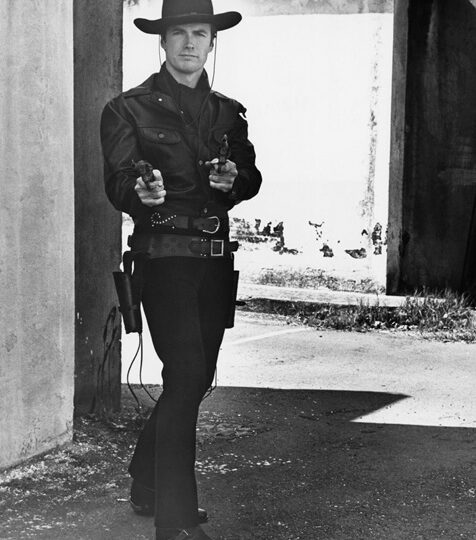
Bisset’s appeal lay not just in her physical appearance but in her ability to convey innocence, strength, and intelligence simultaneously. This combination of attributes created a holistic sense of allure that modern celebrity culture often overlooks in favor of curated perfection.
Barbara Bach and the Evolving Female Presence
Barbara Bach, who rose to prominence in The Spy Who Loved Me (1977), represents a shift in how women were portrayed in media during the late 20th century.
As a Bond girl, Bach combined beauty with agency, moving beyond mere decorative roles to characters with personality, skill, and influence.
A vintage photograph of Bach from the time reflects both glamour and independence. Her career trajectory highlights the evolving opportunities for women in cinema, where charm, talent, and physical appeal were increasingly complemented by intelligence and capability.
Barbara Eden: From Television to Cultural Icon
Barbara Eden’s portrayal of Jeannie in I Dream of Jeannie (1965–1970) showcased a different facet of Hollywood charm: approachability and humor.
Eden’s beauty, characterized by sparkling blue eyes and long, flowing hair, was complemented by her comedic timing and on-screen charisma.
Television in the 1960s often required a balance of visual appeal and engaging personality. Eden mastered this combination, making her a beloved figure whose influence extended beyond scripted performances. Her career longevity demonstrates the timeless appeal of authenticity, talent, and grace.
Faye Dunaway: Strength and Star Power
Faye Dunaway remains one of the few living icons who encapsulate the versatility and presence of mid-century Hollywood. Known for roles that ranged from fierce and commanding to warm and approachable, Dunaway’s performances showcased a range seldom matched in contemporary cinema.
A single photograph of Dunaway can tell multiple stories—her smile radiates warmth, yet her gaze can shift to intense focus in an instant.
This duality exemplifies a type of star power where beauty and talent intersect seamlessly, reminding us of the era’s commitment to performance as much as image.
Connie Francis: Music, Energy, and Cultural Impact
Hollywood’s golden era extended beyond the silver screen to music. Connie Francis, whose 1960 hit “Everybody’s Somebody’s Fool” dominated the airwaves, exemplified how performance could unite audiences.
Her image in photographs reflects a sense of joy, vitality, and charisma rarely seen today. Francis’ influence extended across continents, and her ability to convey emotion through song reinforced the era’s emphasis on genuine connection with the public.
Sally Field and Burt Reynolds: Chemistry and Timeless Stories
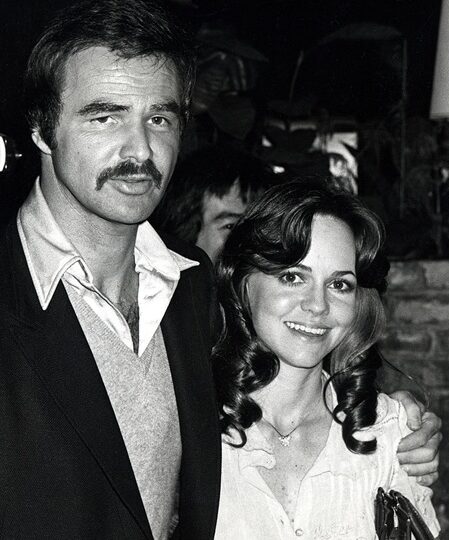
Sally Field, one of the era’s most engaging performers, frequently shared the screen with Burt Reynolds, creating enduring on-screen chemistry. In Smokey and the Bandit (1977), Field’s spirited charm complemented Reynolds’ rugged charisma, producing memorable moments of cinematic synergy.
Field’s beauty, charm, and expressiveness exemplify the authenticity of the period. Her reflections on her relationship with Reynolds—“There are times in your life that are so indelible, they never fade away…
He will be in my history and my heart, for as long as I live”—highlight the genuine human connections behind Hollywood’s glittering façade.
The Enduring Appeal of Classic Hollywood
What stands out most when examining these photographs is the combination of natural beauty, charisma, and authenticity.
Stars like Bardot, Deneuve, Andress, Eden, Dunaway, Bisset, Francis, and Field remind us that true allure comes from presence, confidence, and personality rather than artificial enhancement.
Unlike the heavily stylized or digitally altered images of today, vintage photographs often capture candid moments, laughter, and genuine emotion.
This authenticity creates a sense of nostalgia, offering a window into an era where the joy of living, both on and off the screen, was palpable.
The timeless appeal of these stars lies not only in their looks but in their embodiment of a cultural moment—a period where elegance, charm, and natural beauty were celebrated, and where personalities shone as brightly as performances.
Final Thoughts
Looking back at Hollywood’s golden era, it becomes clear why these stars remain icons decades later. Their appeal transcends fashion, cosmetics, and fleeting trends; it’s rooted in character, charisma, and authenticity.
The photographs of Burt Reynolds and Farrah Fawcett, Catherine Deneuve, Brigitte Bardot, Tony Curtis, Janet Leigh, Ursula Andress, Jacqueline Bisset, Barbara Bach, Barbara Eden, Faye Dunaway, Connie Francis, and Sally Field serve as enduring reminders of a time when laughter was loud, beauty was effortless, and cinematic moments created lasting cultural impact.
Nostalgia is more than longing—it’s a celebration of artistry, individuality, and the joyful energy of a bygone era. In revisiting these images, we are reminded of the enduring power of presence, authenticity, and natural elegance—the qualities that made Hollywood’s golden age truly unforgettable.