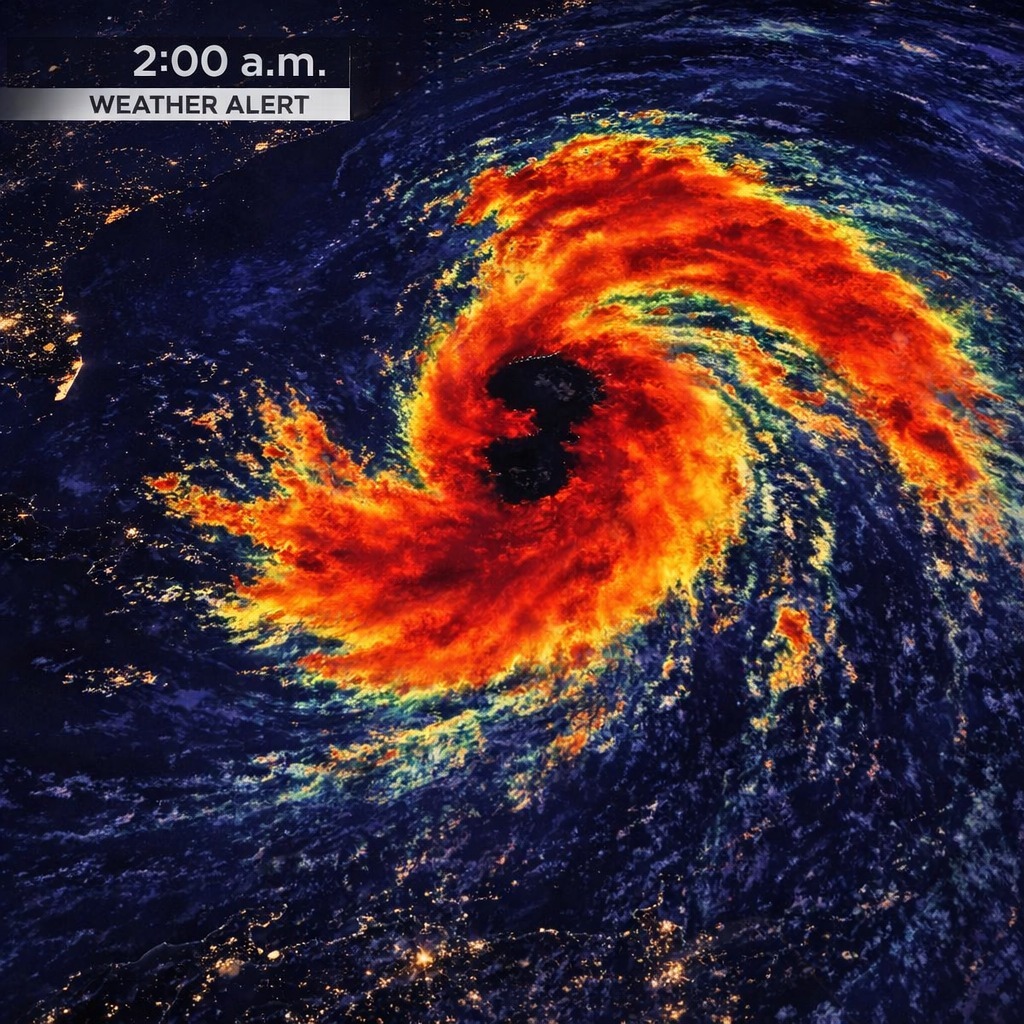
A Week of Powerful Weather Impacts the Caribbean and Southeast!
An unusually active stretch of weather has unfolded across the Caribbean and the Southeastern United States, placing multiple communities under pressure at the same time. What began as what many expected to be routine seasonal conditions quickly escalated into a convergence of events that demanded constant attention from meteorologists, emergency managers, and local governments. Heavy rainfall, airborne dust, seismic activity, and the early movement of tropical systems combined to create a week marked by uncertainty and heightened vigilance.
Across much of the Caribbean, rainfall intensified early in the week, driven by persistent moisture and unstable atmospheric conditions. In several areas, the rain fell faster than drainage systems could handle, leading to flooding in low-lying neighborhoods and along rivers already swollen from earlier precipitation. Roads became impassable in some locations, disrupting daily travel and delaying deliveries of essential goods. For residents living near waterways or on hillsides, the situation raised concerns about landslides and erosion, especially where soil saturation had reached critical levels.
In Central America, the impact was more severe in certain regions. Repeated downpours caused rivers to overflow their banks, forcing evacuations in vulnerable communities. Emergency shelters were opened to accommodate displaced families, and local authorities worked to restore access to isolated areas once floodwaters began to recede. Recovery efforts were complicated by continued rainfall, which slowed cleanup operations and increased the risk of further damage. For many residents, the timing was particularly difficult, as communities were still recovering from previous weather events earlier in the season.
Adding to the sense of unease, a small earthquake was recorded near Trinidad. While the tremor caused little to no structural damage and no injuries were reported, it was widely felt and served as a stark reminder of how quickly natural hazards can occur without warning. For island communities already dealing with unsettled weather, the seismic activity heightened anxiety, even as officials reassured the public that no significant aftershocks were expected.
At the same time, skies across parts of the Caribbean took on a noticeably hazy appearance as a dense plume of Saharan dust moved westward across the Atlantic. These dust outbreaks are not uncommon, but their arrival during an already active weather period added another challenge. Visibility was reduced in some areas, and air quality declined, prompting health officials to issue advisories. People with asthma, allergies, or other respiratory conditions were urged to remain indoors when possible and to limit strenuous outdoor activity. The fine particles also affected aviation and maritime operations, requiring crews to closely monitor conditions.
Offshore, attention remained fixed on the Atlantic, where meteorologists tracked several tropical disturbances, including Tropical Storm Flossie. Although not all systems posed an immediate threat to land, their presence underscored the seasonal risk facing both island nations and coastal areas of the United States. Warm ocean waters and favorable atmospheric patterns can allow storms to strengthen rapidly, leaving little time for preparation if paths shift unexpectedly. Forecasters emphasized that uncertainty is a defining feature of tropical systems, especially in their early stages, and urged residents to avoid complacency.
In the southeastern United States, the week brought its own mix of challenges. Heavy rain affected parts of the Gulf Coast and inland areas, leading to localized flooding and waterlogged ground. Urban areas experienced street flooding as storm drains struggled to keep pace, while rural regions faced rising creeks and saturated farmland. The cumulative effect of repeated rain events increased the likelihood of infrastructure stress, particularly in areas with aging drainage systems.
Emergency management agencies across the region found themselves juggling multiple responsibilities at once. Flood response teams worked to assist affected residents, while public health officials monitored air quality concerns linked to dust. At the same time, meteorologists provided frequent updates on tropical activity, ensuring that communities remained aware of any changes that could signal increased risk. The overlap of these issues required careful coordination and clear communication to avoid confusion and misinformation.
Officials consistently stressed the importance of preparedness during this period. Residents were encouraged to stay informed through trusted local sources, review evacuation routes, and keep emergency supplies on hand. Simple measures such as securing loose outdoor items, checking drainage around homes, and having a plan for power outages were highlighted as practical steps that could make a meaningful difference if conditions worsened. For those living in flood-prone areas, authorities emphasized the danger of driving through standing water, reminding the public that even shallow flooding can be hazardous.
Despite the intensity of the week’s events, forecasters noted signs that conditions could gradually stabilize in the days ahead. Some areas were expected to see a reduction in rainfall, allowing water levels to recede and recovery efforts to move forward. The Saharan dust plume was also forecast to thin as it continued its westward journey, improving visibility and air quality. However, officials cautioned that the broader pattern of active weather remained in place, and that vigilance would still be necessary as the season progressed.
This convergence of weather events highlighted the interconnected nature of environmental systems affecting the Caribbean and the southeastern United States. Rainfall patterns, atmospheric dust, seismic activity, and tropical development may seem unrelated, but together they shape the risks faced by communities across the region. The past week served as a reminder that resilience depends not only on infrastructure and forecasting, but also on public awareness and cooperation.
As communities move forward from this active period, the focus remains on recovery, preparedness, and clear communication. While the immediate impacts may ease, the broader message is clear: seasonal weather can escalate quickly, and overlapping hazards can strain even well-prepared regions. By staying alert, following guidance from local authorities, and supporting one another, residents across the Caribbean and the Southeast are better positioned to navigate whatever challenges the coming weeks may bring.