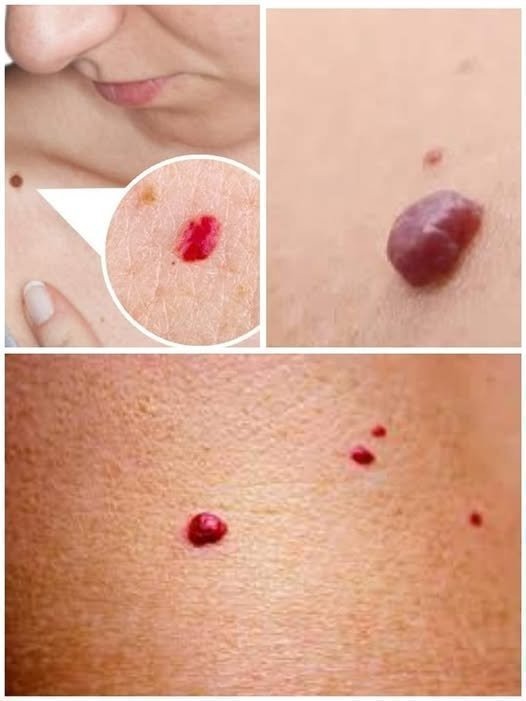
f You Spot These Red Dots on Your Skin, Here’s What They Mean ❤️🩺
Red dots on the skin are common and, in most cases, harmless. Still, they naturally catch our attention because the skin often reflects what is happening inside the body. Understanding the most common causes can bring reassurance and help you recognize when something deserves medical attention.
 1. Petechiae: Tiny Flat Red or Purple Dots
Petechiae are very small red, purple, or brownish dots that appear when tiny blood vessels under the skin break. They do not blanch or fade when you press on them because the blood has leaked beneath the skin surface.
Common triggers include vigorous coughing, vomiting, or sneezing. Straining from heavy lifting or childbirth can also cause them. Prolonged sun exposure or intense heat may contribute. Certain medications such as aspirin, blood thinners, or long term steroid use can make blood vessels more fragile and more likely to leak.
These spots are usually harmless when they appear after a clear physical trigger and fade within a few days as the body reabsorbs the blood.
 See a doctor if the dots spread rapidly, appear alongside fever, unusual fatigue, or bruising elsewhere on the body, or if they do not fade within about a week. In these cases they could signal low platelets, an infection, or a blood related condition such as thrombocytopenia.
2. Cherry Angiomas: Bright Red, Slightly Raised Bumps
Cherry angiomas are among the most common skin growths in adults. They appear as small, bright ruby red bumps, usually one to five millimeters in size. They are slightly raised with a smooth or dome shaped surface and most often show up on the torso, shoulders, chest, back, and arms. Their number often increases gradually with age.
They are caused by benign overgrowths of tiny blood vessels called capillaries. The exact cause is not fully understood, but genetics play a role, and they become increasingly common after age thirty. Hormonal changes and certain environmental factors may also influence their development.
Cherry angiomas are completely harmless. They do not turn into cancer and usually do not bleed unless scratched or injured. Many people have several and never even notice them.
3. Other Possible Causes of Red Dots
While petechiae and cherry angiomas are the most frequent explanations, other causes are also common.
Heat rash, also called miliaria, appears as tiny red bumps in areas where sweat gets trapped, such as the neck, chest, or back. It usually fades once the skin cools and stays dry.
Allergic reactions or contact dermatitis can produce red, itchy dots after contact with a new soap, detergent, lotion, plant, or chemical. The rash often improves once the irritant is removed.
Keratosis pilaris creates rough, sandpaper like bumps, often on the upper arms or thighs, sometimes surrounded by red halos. It is genetic, harmless, and related to the buildup of keratin in hair follicles.
Certain viral infections such as coxsackie virus or parvovirus can cause red spots or rashes, often accompanied by fever or cold like symptoms.
 When to See a Doctor
Most red dots are not dangerous, but medical advice is important if the spots grow, bleed, itch intensely, or change shape, or if they are accompanied by fever, fatigue, joint pain, or unexplained bruising. People taking blood thinners who suddenly notice clusters of new spots should also seek evaluation. Those with a personal or family history of blood disorders or autoimmune disease should be especially cautious.
 Final Thought: Your Body Speaks, Listen With Kindness
Noticing a new mark on your skin does not automatically mean something is wrong. Often it is simply your body responding to everyday stresses, aging, or environmental factors. Paying attention, however, is a powerful act of self care. Awareness helps you catch changes early, protect your health, and honor the remarkable system that carries you through life.