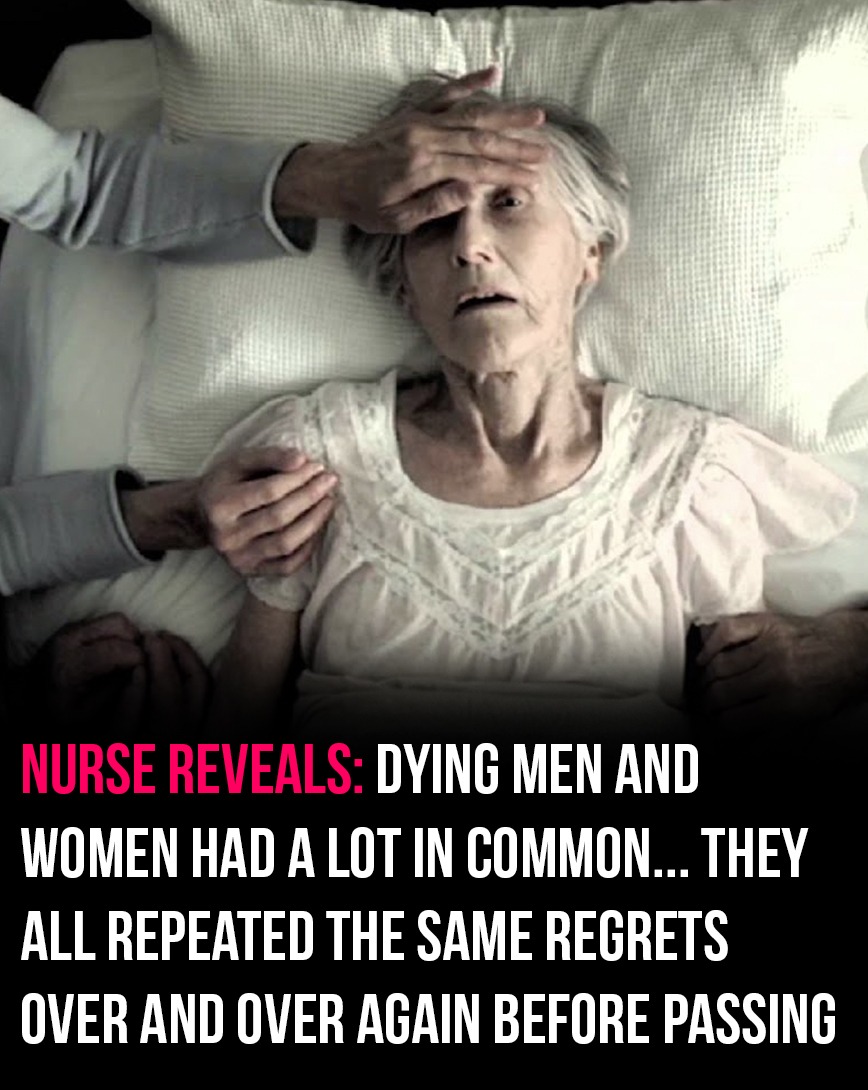
End-of-life nurse reveals top 3 ‘deathbed regrets’ she always hears
In the sterile quiet of hospice wards and the hushed bedrooms of private homes, Hadley Vlahos hears the kinds of truths people spend a lifetime trying to ignore. As an end-of-life nurse who has stood vigil at the bedsides of hundreds, Vlahos has become an accidental archivist of human regret—and she is now using those “deathbed confessions” to issue a global wake-up call. Known to millions as @nursehadley on TikTok and the author of the memoir The In-Between, the 30-year-old nurse has seen the veil of social pretension drop as the end nears. Her insights offer a visceral reminder that while society prioritizes the hustle, the dying prioritize the heart.
1. The Silence of Love
The most pervasive ache Vlahos encounters is the weight of the unsaid. Many patients reflect on the casual nature of their final interactions with loved ones, unaware at the time that the door was closing forever.
“I’ve had a lot of people tell me they would quickly say bye to someone, and their then-spouse suddenly dies,” Vlahos told The Sun. “They say that they wish they would have told people how much they loved them.”
In the final accounting, the “perfect moment” to express affection rarely arrives; there is only the moment you have, and the silence that follows when it’s gone.
2. The Illusion of Material Wealth
One of Vlahos’s most profound realizations came from witnessing the leveling power of death. She recalls leaving a sprawling, “ginormous” mansion where a woman lay in a standard hospital-style bed, only to travel to a dilapidated home where the walls were literally crumbling.
“She was in the same hospital bed,” Vlahos noted of the second patient. Despite the vast disparity in their bank accounts, the reality of their final days was identical. “All that mattered in the end was the people around caring for her. You can’t take things with you when you go.”
3. The Myth of the “Perfect Time”
Vlahos often cares for patients in their 50s and 60s who spent decades deferred to a “someday” that never materialized. Many worked until the very end, missing the retirement they had meticulously planned.
She recalls one man who regretted not pursuing medical school because he thought eight years of study was “too long.” Facing the end, he realized that those eight years passed regardless of his choice. His parting advice to the nurse was blunt: “Stop waiting for that perfect time. Start now.”
4. Living for the Audience
One woman’s confession stood out for its heartbreaking clarity: she had spent her life as a performance for others. She had upgraded houses and cars to maintain a specific social standing, only to realize on her deathbed that she was the last of her social circle left alive.
“She told me, ‘Do things for yourself, not others,’” Vlahos shared. The woman realized too late that the opinions she had spent a fortune to influence were ultimately meaningless.
5. The Work-Life Imbalance
Perhaps the most frequent regret—voiced especially by older men—is the time surrendered to the office. Many admitted to working 60-hour weeks in pursuit of “necessities” they later realized were anything but.
“A lot of people felt they didn’t know their kids at all,” Vlahos expressed. The pursuit of financial stability often came at the cost of the very relationships that stability was meant to protect.
A Final Warning
Hadley Vlahos’s message is not one of morbid fascination, but of urgent advocacy for the living. By sharing these “gut-wrenching” confessions, she hopes to nudge the healthy into a radical realignment of their priorities before they, too, find themselves at the bedside looking back.
“Tomorrow is not promised,” she warns. In the end, the ledger of a life well-lived isn’t marked by promotions or possessions, but by the love expressed and the time spent with those who matter most.