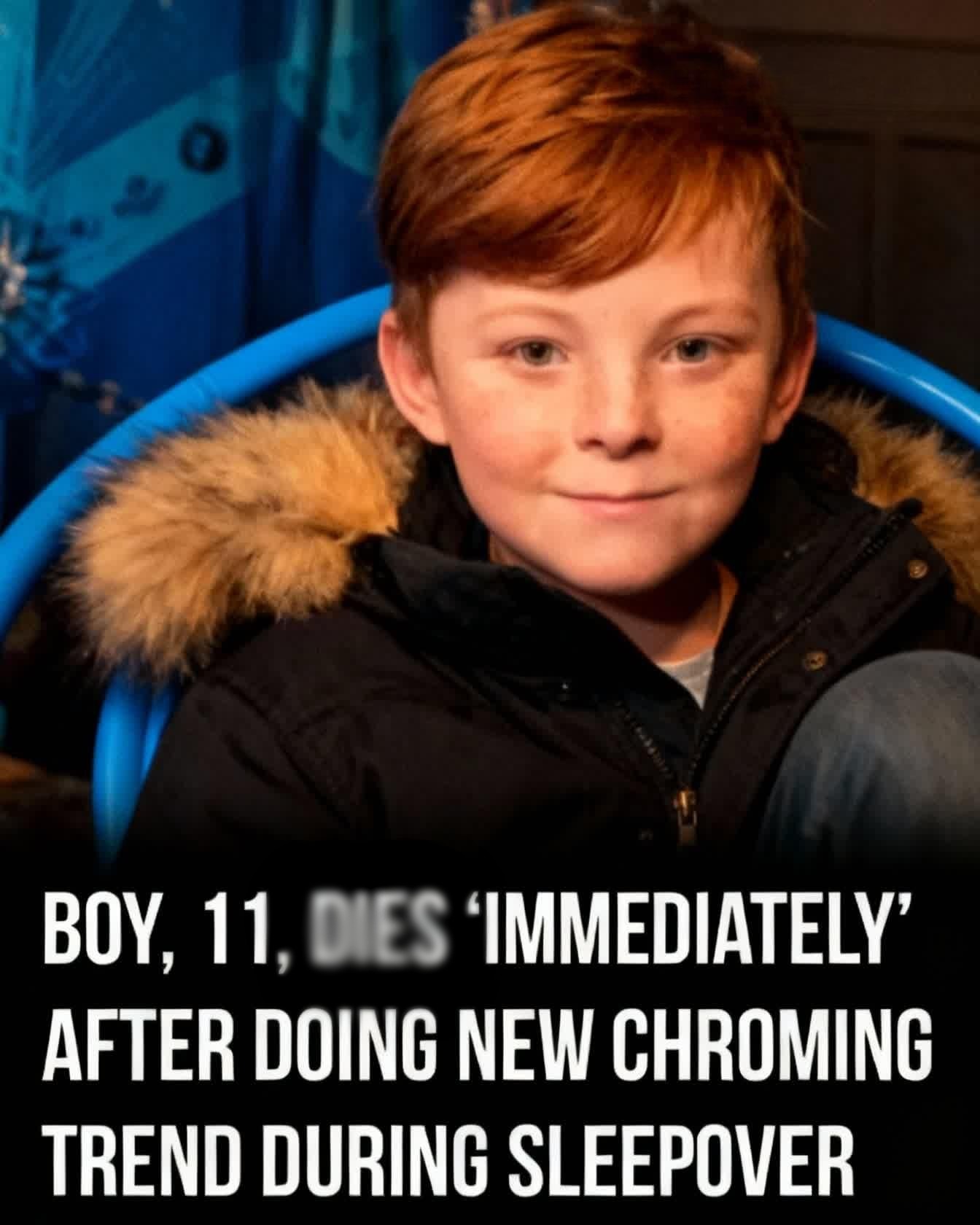
An 11-Year-Old Boys Sleepover Turned Tragic, His Family Now Warns Parents Everywhere!
The vibrant energy of an eleven-year-old boy is a force of nature—a whirlwind of curiosity, laughter, and the budding sense of independence that defines the transition from childhood to adolescence. For Tommie-Lee Gracie Billington, a bright and spirited boy from Lancaster, UK, life was an adventure waiting to be explored. He was the kind of child who filled a room with his presence, described by those who knew him as the “life and soul” of his home. However, an ordinary Friday night sleepover, a rite of passage for children his age, turned into a harrowing cautionary tale that has since sent shockwaves through communities worldwide.
The evening began with the familiar hallmarks of a great time: the rustle of snack bags, the frantic clicking of game controllers, and the infectious giggling of friends sharing secrets. It was the sort of wholesome scene that parents across the globe view as a safe haven for their children. Yet, beneath the surface of this mundane joy, a silent and invisible threat was lurking—a threat born from the darkest corners of the digital world. Without warning, the laughter stopped. Tommie-Lee suddenly collapsed, his energetic frame becoming inexplicably unresponsive. Despite the frantic efforts of those present and the rapid arrival of emergency services, the boy who had been full of life just moments prior could not be saved.
In the wake of his passing, a grieving family was left to navigate a labyrinth of “why.” The medical explanation that emerged was as clinical as it was soul-crushing. Tommie-Lee’s death was linked to a phenomenon known as “chroming,” a term that has become shorthand for a lethal social media trend. Chroming involves the inhalation of toxic household chemicals—ranging from aerosol cans and metallic paints to cleaning supplies—to achieve a brief, intense euphoria. While the “high” is fleeting, the physiological impact is often permanent. Medical experts warn that these substances act as central nervous system depressants, capable of inducing immediate cardiac arrest, irreversible brain damage, or fatal respiratory failure. For Tommie-Lee, a single experiment with a viral challenge proved to be a terminal mistake.
The tragedy highlights a terrifying disconnect between the digital reality children inhabit and the physical risks they understand. To an eleven-year-old, a “challenge” on a smartphone screen feels like a game, a way to gain social currency or a momentary thrill. They see peers participating and mistake popularity for safety. As Sherri-Ann Gracie, Tommie-Lee’s mother, poignantly noted, children often operate under a veil of perceived invincibility. They lack the cognitive development to fully grasp that a ten-second video clip can lead to a lifetime of absence. Her grief is not just a private burden; it has become a public mission to dismantle the naivety that leads children into these digital traps.
Sherri-Ann’s bravery in the face of such profound loss is a testament to her love for her son. She has chosen to lay bare the most painful moment of her life to serve as a beacon of warning for others. Her message is clear: the digital world is not a playground that parents can leave unsupervised. She urges parents to move past the discomfort of “policing” their children and instead embrace the necessity of radical transparency. It is no longer enough to ask if a child finished their homework; parents must now ask what they are seeing on their feeds, what challenges are being discussed in group chats, and if they understand that “viral” does not mean “virtuous.”