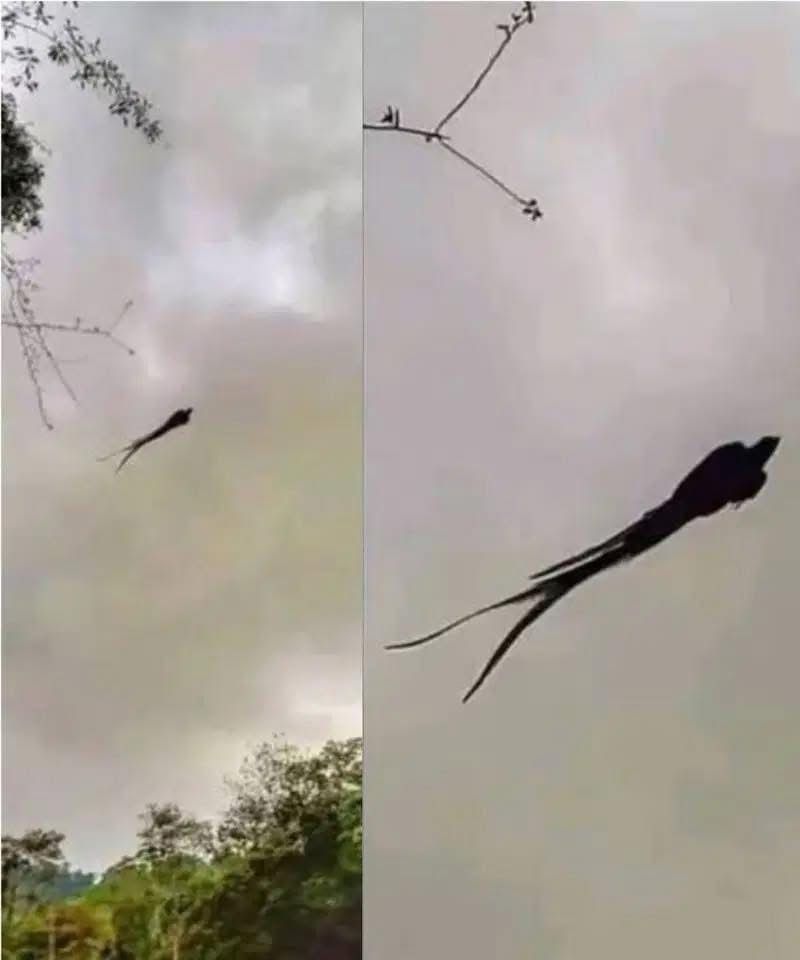
Majestic captured in Mexico!
In the dense, mist-shrouded cloud forests of Southern Mexico and Central America, a living emerald ghost glides through the canopy, carrying with it the weight of ancient empires and the fervent hopes of modern conservationists. This is the Resplendent Quetzal, a bird so strikingly beautiful that it seems less a product of biological evolution and more a fragment of a dream made flesh. For millennia, this avian wonder has stood at the crossroads of heaven and earth, serving as a biological bridge between the mundane world of men and the ethereal realm of the gods. To witness a quetzal in the wild is not merely to see a bird; it is to observe a sacred relic of Mesoamerican history that continues to enchant the contemporary imagination with its iridescent plumage and hauntingly graceful presence.
The story of the quetzal is inextricably woven into the fabric of Mesoamerican mythology. For the Aztecs and the Maya, the bird was far more than a creature of the forest; it was a divine messenger. Its name is derived from the Nahuatl word quetzalli, meaning “precious” or “standing up,” referring to the magnificent tail feathers of the male. It was most closely associated with Quetzalcóatl, the Plumed Serpent, a deity who represented the union of earth and sky. The emerald-green feathers of the quetzal symbolized the growth of vegetation in the spring and the life-giving powers of the sun and rain. So revered was the bird that it was considered a capital offense to kill one. Instead, the Maya would capture the birds, carefully pluck a few of the long, shimmering tail coverts to use in ceremonial headdresses, and then release them back into the wild. This practice reflected a profound respect for the natural world—a belief that the beauty of the divine could be shared but never possessed or destroyed.
Visually, the Resplendent Quetzal is a masterpiece of natural design. The male is a vivid study in contrasts, sporting a chest of deep, blood-red feathers that sits beneath a mantle of shimmering green. This green is not a mere pigment but a structural color; tiny microscopic prisms on the feathers reflect light in such a way that the bird appears to change hue from turquoise to deep gold depending on the angle of the sun. However, it is the male’s twin tail streamers that truly define its majesty. During the breeding season, these feathers can grow up to three feet in length, trailing behind the bird in flight like silken ribbons. When the quetzal takes to the air, leaping from a high branch into the mist, the undulating motion of these feathers creates the illusion of a green serpent swimming through the sky—a sight that surely inspired the legends of the winged gods. In contrast, the female possesses a more subtle beauty, with a gray-brown plumage that allows her to blend seamlessly into the lichen-covered trees, protecting her as she tends to the nest.
In the modern era, the quetzal has found a strange new resonance in popular culture. Observers have often compared its silhouette in flight to the “Dementors” of the Harry Potter universe—not because of any dark nature, but because of the way its long, ethereal form seems to drift through the air with a weightless, flowing elegance. Yet, unlike the creatures of fiction, the quetzal is a fragile reality. It is a specialist of the cloud forest, a unique ecosystem where the moisture of the lowlands meets the cool air of the mountains, creating a perpetual veil of fog. This habitat is essential for the quetzal’s survival, as it provides the specific fruits—primarily wild avocados—and the decaying trees necessary for nesting. As these forests are encroached upon by agriculture and logging, the quetzal’s kingdom shrinks, pushing this icon of the wild further into the shadows.
Perhaps the most poignant aspect of the quetzal’s identity is its relationship with captivity. Throughout history, the quetzal has been celebrated as a premier symbol of liberty. Legend has it that the bird will not survive behind bars, a belief rooted in the fact that captured quetzals often refuse to eat, choosing death over the loss of their freedom. While modern aviculture has occasionally managed to keep them alive in specialized facilities, the “refusal to sing in a cage” remains a powerful metaphor in Latin American literature and politics. It represents the indomitable spirit of a people and the idea that true beauty cannot be confined. This haunting characteristic has made the quetzal a national symbol of Guatemala, appearing on its flag and giving its name to the national currency, serving as a constant reminder that freedom is the highest state of being.
The current state of the quetzal is a call to action for conservationists worldwide. Efforts to protect the bird in Mexico and beyond involve a complex tapestry of land management, reforestation, and community education. Because the quetzal is a migratory species within its range—moving to different elevations depending on the ripening of fruit—protecting a single patch of forest is not enough. Conservationists must create “biological corridors” that allow the birds to travel safely across the landscape. These initiatives do not just save a single species; they protect the entire biodiversity of the cloud forest, from the orchids clinging to the bark to the jaguars prowling the forest floor. By saving the quetzal, we are preserving a living library of Mesoamerican heritage and a critical lung for the planet.
Ultimately, the Resplendent Quetzal remains an invitation to wonder. It challenges us to look beyond the surface of the natural world and recognize the deep spiritual and historical connections we share with the creatures around us. Whether viewed through the lens of a Mayan priest three thousand years ago or through the viewfinder of a modern photographer today, the quetzal demands awe. It is a reminder that there are still mysteries in the mist and that some things are so precious they must be left to fly free. As we move further into a century defined by environmental challenges, the quetzal stands as a sentinel of the sky, a shimmering emerald beacon urging us to cherish the wild, respect the divine, and protect the fragile beauty of a world that is still capable of taking our breath away. To dig deeper into the story of the quetzal is to discover a narrative of resilience and a testament to the enduring power of nature to inspire the human soul.