The Hidden Value of a Common Tree!
In the vast and varied arboreal landscape of North America, few species possess a history as storied yet understated as the honey locust, known scientifically as Gleditsia triacanthos. To the modern suburbanite, it is often seen as little more than a reliable shade tree, prized for its lacy foliage that casts a dappled, gentle light upon manicured lawns. However, to view the honey locust merely as a decorative element in urban planning is to overlook a legacy of profound utility and resilience. This tree, native to the rich, alluvial soils of the Mississippi Valley and the Appalachian foothills, was once a cornerstone of survival and domestic industry for Indigenous peoples and early pioneers alike. Long before the advent of industrial manufacturing and global supply chains, the honey locust was a living warehouse of food, medicine, and raw materials, quietly serving the needs of those who knew how to unlock its secrets.
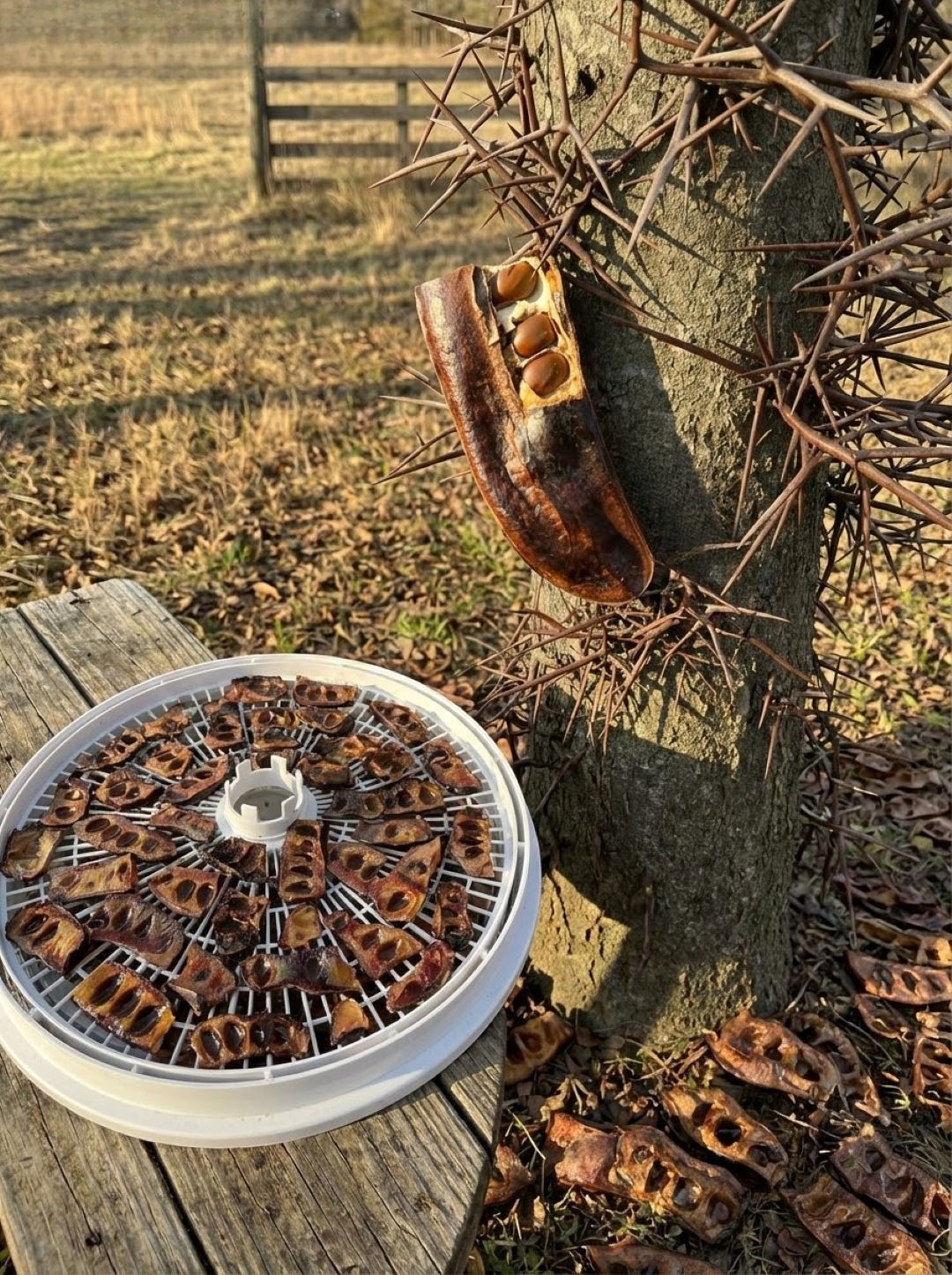
The most distinctive calling card of the honey locust is its prolific production of long, dark, leathery seed pods that twist and curl as they ripen. It is within these pods that the tree’s namesake secret is hidden. Between the hard, bean-like seeds lies a thick, succulent pulp that remains moist even after the pod has fallen. This substance is remarkably high in sugar, possessing a flavor that is both earthy and intensely sweet. For generations, this “honey” provided a vital source of natural sugar in an era when refined sweeteners were a luxury reserved for the wealthy. Indigenous groups and early settlers would harvest the pods in late autumn, consuming the pulp as a raw treat or boiling it down to create thick, amber syrups. In some regions, this sweet liquid was even used as a base for fermented ales and simple beverages, transforming the tree’s seasonal bounty into a shelf-stable resource.
Beyond the immediate gratification of its sweet pulp, the honey locust offered more substantial nutritional value through its seeds. Though the outer husks are incredibly hard, once roasted, the seeds take on a rich, nutty aroma. Early inhabitants of the American frontier often used these roasted seeds as a surrogate for coffee—a warm, comforting brew that provided a semblance of normalcy in the rugged wilderness. When ground into a fine meal, the seeds could also be incorporated into flours or porridges, serving as a reliable backup food source during lean winters when other crops had failed. This versatility made the honey locust a cherished fixture of the homestead, a tree that could provide both a dessert and a staple meal from the same branch.
However, the value of the honey locust was not limited to the kitchen; it was equally essential in the workshop and the field. The wood of the honey locust is legendary among craftsmen for its density and staggering durability. Unlike many other hardwoods that succumb quickly to the dampness of the earth, honey locust heartwood is naturally impregnated with tannins and resins that make it exceptionally resistant to rot and decay. This made it the premier choice for fence posts, which had to endure decades of exposure to soil and rain. The wood’s strength and shock resistance also made it ideal for the high-stress components of traditional life, such as wagon wheel hubs, tool handles, and the heavy pins used in timber-frame construction. To a pioneer building a life from the ground up, a stand of honey locust was not just a grove of trees; it was a source of structural integrity.
The tree also played a surprisingly sophisticated role in the hygiene and domestic chores of early American life. The bark and the pods contain significant concentrations of saponins—natural, plant-based compounds that act as surfactants. When agitated in water, these extracts produce a gentle, cleansing lather. In a time before the widespread availability of commercial lye soaps, which could be harsh on both skin and delicate fabrics, the honey locust provided a mild, botanical alternative. This “soap from the forest” allowed for the cleaning of wool and linens without the risk of damage, further cementing the tree’s status as a multipurpose domestic ally.